

General Information:
Height: 27-29inches
Weight: 80 to 150 pounds
Life Span: 13 to 15 years
Coloring: Tan
Area of Origin: Turkey (Anatolia)
Similar Breeds: Livestock Guardian Dogs, Kangal Dog, Aksaray Malaklisi Dog and the Akbash Dog.
History and Origin:
There is much confusion and disagreement concern the pedigree and origin of the Anatolian Shepherd. This large powerful dog is a working dog throughout most of the world. He is a guard dog, bred to protect livestock. This is an incredibly loyal, intelligent and independent breed. Breeders and owners are both endeared to the hardiness and lack of fear built into this breed.
The Anatolian Shepherd has either a short brown, brindle or fawn coat or a rough coat with all colors acceptable. He is originally from Turkey and the regions surrounding it. He was originally developed to protect the livestock in Turkey – mostly to guard sheep and his size and color was decided by his ability to be undetected within the flock. The Anatolian Shepherd Dog is large, fierce and impressive.
There are a lot of questions and confusion surrounding the true ancestry of the breed and what dogs belong in the breed and what dogs might be another breed entirely. There are working sheep dogs considered to be the ancestors of the Anatolian Shepherd that go back over 6000 years.
Wandering central Asia in those days were tribes that lived with mastiff dogs. They brought their dogs in current day Turkey and mixed with the sight hound type breeds that came from the southern regions of Turkey. These two types of dogs were crossed to create a dog with long legs, aloof and independent, with great agility and ability to control livestock.
The Turks in Anatolia named this dog the Anatolian Shepherd Dog. This guardian breed is perfect for the climate in Anatolia and the nomadic lifestyle of the shepherds. Because the dogs are almost the same color and size as the livestock they guard, this makes it very difficult for predators of the livestock to be able to tell the Anatolian Shepherd Dog is there.
However there are several other shepherd dogs coming out of Turkey and other areas of central Asia. This causes confusion and disagreement about the origins of not only the Anatolian Shepherd but other dogs as well. In the geographical area where the Anatolian Shepherd was developed there was also a landrace dog called the Coban Kopegi. From this landrace came a group of Turkish livestock guard dogs including the Anatolian.
The Anatolian, the Kangal, and the Akbash are all descended from the Turkish landrace and bred by humans into breeds with breed standards that are written and used to preserve the traits that are specifically characteristic of the breed. However in many places these three shepherd dogs are not seen so much as separate breeds but rather as subsets of the same larger group – this being the Turkish landrace of livestock guardians.
The Anatolian Shepherd was exported to the United States in the 1950’s and was recognized as members of the American Kennel Club Working Group in1996. Unfortunately there are many other countries that register all three shepherd dog breeds, the Anatolian, the Kangal and the Akbash as one breed called the Anatolian Shepherd.
In order to bring some order to this breed chaos, the United States Began to research the breeds’ history through the American Livestock Breeds Conservancy. The AKC, the Kennel Club, and the Federation Cynologique Internationale recognizes the separate dogs but has them different groups. The Anatolian is a Working dog with the AKC, The Kennel Club calls them shepherd dogs and the Federation lists them as mountain dogs. Many breeders in Turkey fell that the Anatolian Shepherd is really a cross between the Kangai Dog and the Akbash Dog.
Australia retracted their registration of the Kangal and Anatolian Shepherd as two separate breeds. On the other hand in Great Britain, like the Americas, the UK Kennel Club is recognizing the Kangal as a breed separate from the Anatolian. This kennel club will let dogs that are Kangals but currently listed as Anatolian Shepherds, to be reclassified.as Kangals.
It would seem that these dogs are not one breed but rather three (or more) with the same foundation and origin. They are very much alike in looks and characteristics. The Anatolian Shepherd is the one closest to the original landrace of guard and shepherd dogs.
Personality and Temperament:
The personality of the Anatolian Shepherd is a paradox of sorts. He is both calm and laid back and at the same time he is intense and fierce in protecting his ‘flock’. When he is around strangers the Anatolian Shepherd is reserved and intimidating. Yet with his family the Anatolian Shepherd is loving, loyal and protective.
The Anatolian Shepherd was intentionally developed in this way as he was needed to guard the flocks on his own. It was important that the dog be independent and he is so, to the point of making his own decisions without any human input. Any decision the Anatolian Shepherd makes will be for the preservation of the flock.
These traits are great for the independent sheepherder but not so great for the family pet unless you are tougher than he is. You also have to socialize him as a puppy to as many people, children, dogs, cats and other small animals. They learn fast if they want to. They were also bred to wander with the flock, to hunt predators and roam the boundaries of their flock. Therefore they are prone to wander. You will need a large, 6 – 8 foot fence and microchip your Anatolian.
The breed is rugged, calm and protective. They are intelligent, dominant and incredibly independent. They think for themselves and without firm guidance they will do what they think is best. Judge the puppies in a litter carefully and choose the one whose temperament matches your lifestyle. Pick the puppy that is friendly and playful. Pick the one who is willing to be held by people. Make sure your puppy goes to classes for obedience.
But no matter how much you socialize him or how many classes you put him in; the Anatolian Shepherd is an independent guard dog that will be suspicious of anyone who does not belong to their pack. He is a very serious dog. He does not see children as pack leaders and if a child attempts to be that, the Anatolian Shepherd will not respect that.
Exercise & Training:
Exercise and training are both critical for the owner of an Anatolian Shepherd. We mentioned the need for socialization of puppies. The need for training is just as strong. Since the Anatolian is so strong he can be a real danger if he is overprotective and untrained. Just don’t be surprised if he flies through training. He is that smart, but then does not follow your commands just because he is so independent.
You can expect him to challenge you for leadership at some time. The one class he does not need is protection training. His drive to protect and guard is instinctual.
Grooming:
The Anatolia Shepherd Dog is a large sturdy dog with a thick neck, muscular body and broad head that sheds a lot all the time and even more so in the spring. Their ears are triangular shaped, their coat is any color but most are white, sesame or crème with color spots. They can have a black mask but not all of them will.
This coat is a double coat developed to keep the Anatolian Shepherd warm in the cold winter in the mountains and dry in the rain and snow. This is a wiry coat and they have particularly thick hair on their necks. This hair on their necks developed in order to provide the Anatolian with protection for their throats in fights with large predators such as wolves or big cats. They might have a docked tail or it might be full and bushy.
The double coat will shed on a regular daily basis plus they will shed the undercoat at least twice a year and if they live in a hot climate it might be more often than that. They need weekly brushing and grooming. They need extensive brushing or thinning when they are blowing their coats to get all the dead hair and dead cells out.
They should be bathed a few times a year but certainly not on a monthly basis. Trimming the hair around their paws and clipping their nails should be done on a monthly basis. Brushing is the most important thing you need to do in respect to grooming.
Health and Wellness:
The Anatolian Shepherd is a hearty and healthy breed. They live on average 13-15 years, which is 3-4 years longer than other dogs that are the same size. The worst medical issues that the Anatolian Shepherd faces are cancer, heart issues, combinations and old age.
Cancer is the biggest killer of Anatolian Shepherds with 22% of all deaths attributed to it. The combination of factors is the second leading cause of death at 17% with cardiac issues causing 13% and old age also at 13%.
Medical issues that the Anatolian Shepherd faces that are not life threatening include skin issues, hip dysplasia and eye issues. The breed is sensitive when it comes to anesthesia. When purchasing a puppy from a reputable Anatolian Shepherd breeder ask for clearances from the Orthopedic Foundation for Animals (OFA) in respect to hip dysplasia. You would also want a clearance from the Canine Eye Registry Foundation and from Auburn University for thrombopathia.
This skin issue that is most disturbing for owners of Anatolian Shepherds is the demodex mite. This mite is passed from the mother to the pups and lives on the dog’s hair follicles. This mite does not travel from one dog to another or to any other animals including humans. It is only transferred from mother to pups and for the most part it is not a problem for the dogs.
However when the demodex mite is a problem – in cases where the dog’s immune system has been compromised –it causes demodectic mange. Any mange is of concern to an owner, this one is not fatal but it is uncomfortable and unsightly. In puppies, the demodectic mange causes patches of sore, scaly red skin where the hair has fallen out. This is about as bad as it gets for the young puppy.
However for older puppies and adult dogs the situation is much worse. It is generalized as opposed to the puppy version of patches. In the generalized version these scales will cover the entire body of the dog. If your dog develops this generalized form of the mange, the American Academy of Veterinary Dermatology asks you to spay or neuter your dog so that this genetic component is never passed on.
Interesting Facts About the Anatolian Shepherd
- The Anatolian Shepherd Dogs are used to control the cheetahs around state parks by the Cheetah Conservation Fund. It is hoped that the presence of the dogs protecting the livestock will deter the ranchers from shooting the Cheetahs.
- Some, but not all Anatolian Shepherds are major big time diggers. Watch out for this trait.
- The Anatolian Shepherd Dog were bred and given to farmers for guarding livestock from Cheetahs up in the mountains. Just the presence of the dogs deters the cheetahs from stalking the flock. This helps to preserve the cheetahs in this part of the world because the farmers no longer feel it is necessary to shoot them. This helps with the preservation of the endangered cheetahs as well as protecting the farmers’ livestock.
Organizations Dedicated to the Anatolian Shepherd
- Anatolian Shepherd Dog Club of America
- NASRN – National Anatolian Shepherd Rescue Network
- The Anatolian Shepherd Dog Rescue League
Breeds Similar to Anatolian Shepherd Dogs:
-
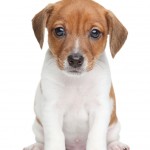
- Jack Russell Terrier
-
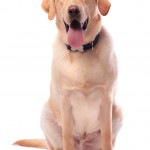
- Labrador
-
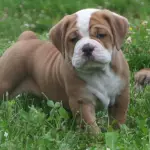
- Beabull