

As endearing as their sassy personalities and pocket-sized forms are, Chihuahuas, like all breeds, confront a spectrum of health concerns unique to their diminutive stature. Your dedication to Chihuahua health care is critical in preventing Chihuahua illnesses and ensuring your furry friend thrives by your side. Even though Chihuahuas aren’t inherently more susceptible to illness than other canine breeds, they do have common Chihuahua health concerns that are important to identify and manage with meticulous, loving care.
Given their pint-sized dimensions, these canine companions call for vigilant oversight and preventative strategies that cater to their particular needs. Navigating through the maze of health information can be daunting, but armed with the right knowledge and resources, you can champion your Chihuahua’s well-being with confidence and ease.
Key Takeaways
- Annual vet checkups are paramount for maintaining your Chihuahua’s health.
- Understanding and preventing the breed’s common health issues are key to their longevity.
- Adopting a proactive approach to health can stave off diseases and improve quality of life.
- Tailored dental care and diet are crucial components of Chihuahua health care.
- Vigilance regarding environmental risks like pests, and their associated diseases, is essential.
- A close eye on socialization and temperament can prevent stress-induced health issues.
- Recognizing early symptoms of health concerns allows for swift and effective intervention.
Understanding Your Chihuahua’s Health Needs
Delicate and distinct, your Chihuahua carries health needs as petite and unique as their physical stature. An informed approach to their care will shape not just their physical well-being but their vibrant personality as well.
Chihuahua’s Unique Physical Traits
Your tiny companion’s charming appearance belies the imperative to provide specialized care driven by their genetic predispositions. An example being their notably small jaws, placing them at an elevated risk for conditions like periodontal disease. Thus, a holistic health regime tailored to their diminutive size is not just ideal but imperative for their longevity.
Importance of Regular Vet Visits
Regular Chihuahua vet checkups are the cornerstone of preemptive care, ensuring that conditions such as patellar luxation or early signs of cardiac issues are managed with expert precision. These visits are critical touchpoints in preserving your Chihuahua’s health and vitality, acting as preventive measures that keep potential health hazards at bay.
Chihuahua Temperament and Socialization
While their physical health is undoubtedly important, the Chihuahua temperament is intricately linked to their overall well-being. The stress-related health challenges that can accompany their spirited nature are best mitigated through early and consistent socializing of Chihuahua puppies. Ensuring your Chihuahua interacts positively with a variety of environments and individuals can help foster a well-rounded demeanor, free from undue anxiety.
| Health Aspect | Preventive Measure |
|---|---|
| Periodontal Disease | Specialized dental care from puppyhood |
| Luxating Patella | Regular vet visits for early detection |
| Heart Conditions | Echo-cardiograms during checkups |
| Behavioral Health | Early and ongoing socialization |
Adapting your care to address these unique needs, marked by tailored intricate attention to their small-scale frame and boisterous spirit, shields your Chihuahua against many health challenges. This dedicated approach to their care ensures a life of companionship that shines with the same brilliance as their own vibrant persona.
Dental Care: Combatting Periodontal Disease in Chihuahuas
When it comes to Chihuahua dental care, vigilant guardianship can avert the advance of periodontal disease, a prevalent issue within the breed. Recognizing that your Chihuahua’s oral health is crucial for its overall well-being is the first step in preventing periodontal disease. With the right approach, including effective dog tooth brushing tips, you can maintain your pet’s pearly whites and gum health.
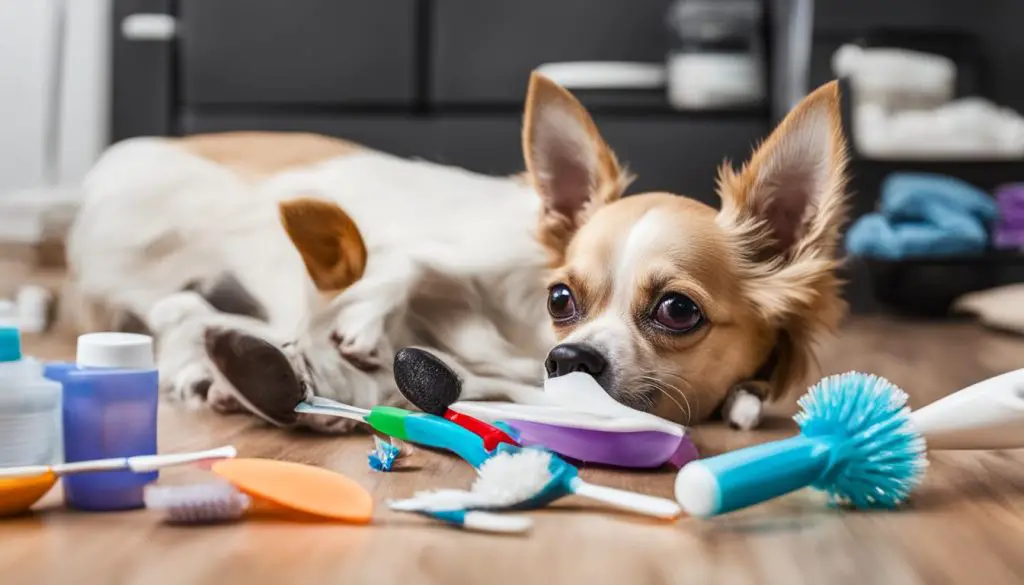
Despite their tenacious character, Chihuahuas possess a vulnerability within their tiny jaws, which are more susceptible to periodontal disease. By the time a dog reaches three years of age, 80% of the canine population has experienced some form of dental issue, but Chihuahuas, due to their size, can be disproportionately affected. Tackling this head-on means establishing an oral hygiene routine early on.
Tooth brushing forms the bedrock of this routine. Utilizing a finger brush along with a chicken-flavored toothpaste can entice your Chihuahua into a daily brushing habit. This not only hampers the buildup of plaque and tartar but also becomes a bonding activity for you and your dog, reinforcing trust and cooperation.
While at-home dental care is critical, professional dental checkups and cleanings are equally important in catching and addressing any developing issues before they worsen. Although these visits can incur some cost, they are a fundamental aspect of proactive pet care and can spare you and your furry friend from future health complications and expenses.
Don’t merely wade through the various offerings for pet dental care; instead, choose products and services that are specifically designed for the unique needs of your Chihuahua. Look for trusted brands and clinics that understand the nuances of small breed dental requirements.
“Caring for your Chihuahua’s dental health requires a blend of daily maintenance and professional oversight. Just like humans, these petite companions need our help to keep their teeth and gums healthy, safeguarding their overall health and happiness.”
| Action | Benefit | Frequency |
|---|---|---|
| Daily brushing with finger brush | Prevents build-up of plaque and tartar | Daily |
| Use of chicken-flavored toothpaste | Entices cooperation during brushing | Daily |
| Professional dental checkups | Identifies and treats issues early | 1-2 times per year |
| Professional dental cleanings | Removes plaque and tartar build-up not eliminated by brushing | Basis of the vet’s assessment |
Your role in your Chihuahua’s dental regime is influential in preventing periodontal disease and other health issues. A steadfast commitment to daily brushings, alongside routine veterinary care, will profoundly impact the quality of life your Chihuahua enjoys. Partner closely with your veterinarian to devise and modify your Chihuahua’s dental care plan as needed, ensuring those small smiles stay bright for years to come.
Spinal Health: Protecting Your Chihuahua from IVDD
As a proactive pet parent, understanding the spinal health risks, such as Chihuahua Intervertebral Disc Disease (IVDD), is essential in shielding your tiny companion from painful and debilitating conditions. Prioritizing IVDD prevention can dramatically influence the quality and longevity of your Chihuahua’s life. Let’s explore ways to bolster your dog’s spinal health and recognize the red flags of potential issues.

Understanding Intervertebral Disc Disease
Intervertebral Disc Disease affects the cushioning discs between the vertebrae of the spine. These discs can deteriorate or shift, exerting pressure on the spinal cord, and this condition can be particularly prevalent in small breeds like Chihuahuas. Factors such as genetics or the habit of jumping from elevated surfaces can contribute to this ailment.
Prevention Strategies for Spinal Injuries
Preventive measures play a crucial role in safeguarding your Chihuahua’s back. Here are some strategies that can help maintain optimal spinal health in dogs:
- Minimize high-impact activities: Avoid encouraging your Chihuahua to jump on or off furniture and consider using ramps or steps to help them reach higher surfaces safely.
- Provide supportive bedding: Orthopedic dog beds can offer the necessary support to your Chihuahua’s spine, mitigating strain while they rest.
- Maintain a healthy weight: Excess weight can put undue stress on your dog’s spine, so adhere to a nutritious diet and regular exercise.
- Regular vet checks: Routine veterinary visits for spinal examinations will allow for early intervention should any abnormalities arise.
Recognizing the Signs of IVDD
Stay vigilant for signs of IVDD so you can act quickly should any symptoms surface. Here are indicators that your Chihuahua may be experiencing spinal discomfort:
- Reluctance to jump, climb, or perform usual activities
- Apparent back pain or stiffness
- Whining or signs of discomfort when touched
- Difficulty standing, walking, or a noticeable limp
- In severe cases, paralysis or incontinence may occur
If you observe any of these signs, it is critical to consult with your veterinarian promptly, as early detection can vastly improve the outcome, potentially sparing your Chihuahua from extensive treatment or surgery.
| Sign | Description | Immediate Action |
|---|---|---|
| Pain and stiffness | May show reluctance to move or be touched | Limit movement and contact vet |
| Difficulty standing | May appear wobbly or unable to rise | Supportive care and immediate veterinary consultation |
| Limping | Inconsistency in gait or favoring limbs | Rest and assess for other symptoms |
| Paralysis | Lack of coordination or inability to move legs | Urgent vet visit, possible emergency attention |
By combining your observations with expert veterinary care, you can play an instrumental role in IVDD prevention and the management of spinal health in dogs, ensuring your Chihuahua maintains its playful and vibrant lifestyle.
The Importance of Knee Health: Managing Patellar Luxation
Among the suite of health considerations for your Chihuahua, paying close attention to Chihuahua knee health is vital. Patellar luxation is a condition commonly found in Chihuahuas, where the kneecap dislocates from the groove on the thigh bone. It can exhibit symptoms like intermittent limping or a reluctance to play, which can signal discomfort or pain in your pup. Nearly one-quarter of the breed is affected by this condition, underscoring the necessity of thorough luxating patella management and canine leg care.
While not every instance of a luxating patella requires surgical intervention, persistent knee health monitoring and care are paramount to prevent possible progression—leading not only to further injury but also to potential circulatory problems. A proactive health plan should involve regular assessments by a veterinarian while integrating gentle exercise routines tailored to your Chihuahua’s physical capacity to safeguard against exacerbation of the condition.
| Symptom | Potential Cause | Recommended Care |
|---|---|---|
| Limping | Luxating Patella | Reduced activity, vet consultation |
| Avoiding play | Knee pain/discomfort | Physical therapy, pain management |
| Abnormal gait | Kneecap displacement | Surgery (in severe cases), brace support |
| Reluctance to climb | Joint instability | Use of ramps/steps, controlled exercises |
Moreover, preventative measures such as maintaining an ideal body weight for your Chihuahua and providing joint supplements may benefit long-term knee health. In any case, early detection through vigilant care can make a world of difference in managing a luxating patella. It may translate to less invasive treatments and sustain the spry, lively nature inherent to your beloved companion.
“Effective luxating patella management is a cornerstone of preventative canine leg care, ensuring your Chihuahua maintains its agile companionship for years to come.”
A holistic approach to your Chihuahua’s knee health, incorporating these insights on luxating patella management, can greatly enhance their mobility and quality of life. Remember, a happy Chihuahua is one that can play, jump, and enrich your life with their boundless energy and affections — all hingeing upon sound knee health.
Chihuahua Health Care: Addressing Heart and Respiratory Issues
Heart and respiratory conditions are crucial aspects of Chihuahua health care. To ensure your pet lives a happy, healthy life, recognizing and managing symptoms of heart disease, COPD, and a collapsed trachea are essential. Monitoring and treating these concerns proactively can make a significant difference in your Chihuahua’s overall well-being.
Identifying Symptoms of Valvular Disease
Valvular disease in Chihuahuas, if left untreated, can result in congestive heart failure, a leading cause of demise in this breed. Stay alert for valvular disease symptoms such as heart murmurs or coughing, and ensure that your Chihuahua receives regular cardiac evaluations. Early intervention with medications can slow the progress of the disease, promoting a healthier heart.
Chronic Obstructive Pulmonary Disease in Chihuahuas
COPD in Chihuahuas demands careful attention, with persistent coughing as a common symptom. Managing your dog’s environment to minimize irritants and maintaining a smoke-free home can help. Regular veterinary oversight enables the right diagnosis and treatment plan, whether that includes inhalers, medications, or lifestyle modifications to manage symptoms effectively.
Managing Collapsed Trachea Concerns
Treating a collapsed trachea involves both medication to manage symptoms and making thoughtful changes in your home environment to reduce stress on your Chihuahua’s airways. Severe cases might necessitate surgical intervention—a decision to make with guidance from a knowledgeable veterinarian. Using harnesses instead of collars and avoiding pollutants are key in Chihuahua respiratory care.
| Condition | Common Symptoms | Recommended Management |
|---|---|---|
| Valvular Disease | Coughing, fatigue, weight loss | Regular veterinary cardiac exams, medications as prescribed |
| COPD | Persistent cough, wheezing | Air quality control, medications for bronchitis |
| Collapsed Trachea | Honking cough, breathing difficulty | Medications, surgical options, environment modifications |
Incorporating these Chihuahua heart care strategies and respiratory treatments into your regular pet care routines can help in offsetting the risks associated with these ailments. As always, collaborate closely with your vet to ensure the most suitable and effective care plan is in place for your cherished Chihuahua.
A Guide to Preventing Common Chihuahua Health Concerns
Welcoming a Chihuahua into your life invites both joy and the responsibility to maintain their well-being. Integrating Chihuahua health care tips into your daily routine is not just compassionate; it’s essential for maintaining your Chihuahua’s health and preventing common issues from taking hold.
Chihuahua Exercise Requirements
To keep your Chihuahua fit without risking overexertion, tailor exercise to their energetic yet delicate nature. Short, frequent walks and play sessions help meet their activity needs while guarding against exhaustion or injury. Remember, moderation and regularity are the cornerstones of a sound Chihuahua preventative care routine when it comes to physical exertion.
Chihuahua’s Nutrition and Diet
Every bite your Chihuahua takes should contribute to their health. A balanced diet, appropriate for their size and age, supports optimal well-being and prevents obesity, which is crucial for avoiding additional strain on their small bodies. Careful meal planning is a critical facet of Chihuahua health care tips, ensuring every nutrient has a purpose.
Avoiding Injuries and Environmental Hazards
Maintaining your Chihuahua’s health extends beyond what they eat and how much they exercise; it includes safeguarding them from the dangers lurking in their environment. Take proactive steps to protect your Chihuahua from extreme weather conditions, and avoid injury by using harnesses instead of collars on walks, thus preventing the potential for tracheal collapse.
| Aspect of Care | Preventive Strategies |
|---|---|
| Exercise | Short, controlled walks; regular play in a safe environment |
| Nutrition | Age and size-appropriate meals; monitor calorie intake |
| Environmental Protection | Appropriate apparel for weather; use of a harness on walks |
| Dental Health | Regular at-home teeth cleaning; professional dental checkups |
By embracing these Chihuahua health care tips and committing to a regime of Chihuahua preventative care, you foster an environment in which your Chihuahua can lead a joyful and lengthy life by your side.
Conclusion
Embarking on the journey of lifelong Chihuahua health care is an act of love, providing a structure for an enriching Chihuahua’s lifestyle that evolves with your companion over time. Comprehensive Chihuahua care is about the nuances—it’s the meticulous attention to their unique needs, from safeguarding their petite jaws with diligent dental routines to fostering a hearty resilience against heart conditions. It’s through these continued efforts that your bond is strengthened, making each shared moment more significant.
Adopting a proactive stance on your pet’s health can preempt many of the conditions that are known to afflict these spirited beings. By recognizing the early signs of distress—be it in their dental health, their spirited jumps that strain their tiny knees, or an unusual lethargy that could hint at heart troubles—and seeking prompt veterinary care, you pave the way for fewer complications and more playful days. Proper diet, exercise, and keen attention to their environment are the building blocks for staving off ailments, ensuring each day is lived to its fullest.
Your commitment to your Chihuahua does not wane with time; it grows deeper, mirroring their inquisitive and loyal nature. As you implement a comprehensive plan for their health and happiness, you are not just shaping their life—you are crafting an enduring legacy of love. The reward is an exceptional relationship that stands the test of time, as your Chihuahua leads a vibrant, joyful existence right at the heart of your family.
A Guide to Preventing Common Chihuahua Health Concerns
What unique physical traits of Chihuahuas require special attention in their health care?
Chihuahuas have distinct physical characteristics, such as their small jaw, which predisposes them to periodontal disease. Their petite skeletal structure can also lead to certain hereditary conditions like patellar luxation and increased risk of Intervertebral Disc Disease (IVDD). Therefore, tailored dental care and precautions to protect their bones and joints are essential components of their health care.
Why are regular Chihuahua vet checkups important?
Regular veterinary visits are critical to monitor your Chihuahua’s overall health and catch any early signs of common concerns like dental issues, joint problems, and heart disease. Early detection can lead to more effective management and better outcomes, ensuring your Chihuahua’s health is actively maintained.
How does socializing Chihuahua puppies influence their health?
Early and proper socialization helps shape a Chihuahua’s temperament, making them less anxious and aggressive. A well-socialized Chihuahua is likely to experience less stress-related health issues and enjoy better overall well-being.
What measures can be taken to prevent periodontal disease in Chihuahuas?
To prevent periodontal disease, implement a daily dental hygiene routine that includes tooth brushing with a finger brush and canine-formulated toothpaste. Regular dental checkups and professional cleanings are also vital to maintaining dental health and preventing the progression of periodontal disease.
How can I prevent spinal injuries like IVDD in my Chihuahua?
Preventive measures for IVDD include minimizing situations where your Chihuahua might jump from high places and ensuring they have supportive bedding. It’s also important to keep them at a healthy weight to reduce the strain on their spine.
What are the signs that my Chihuahua might be suffering from IVDD?
Signs of IVDD in Chihuahuas include difficulty moving, noticeable back pain, reluctance to jump or play, and in severe cases, paralysis. Should you notice any of these symptoms, seek veterinary care immediately.
What are the symptoms of a luxating patella in Chihuahuas?
Symptoms of patellar luxation in Chihuahuas can include intermittent limping, skipping steps, abnormal gait, and reluctance to engage in physical activity. If your Chihuahua shows any of these signs, consult your vet for a diagnosis and treatment plan.
How do I recognize symptoms of valvular disease in my Chihuahua?
Symptoms of valvular disease may include labored breathing, a persistent cough, fatigue after minimal exercise, or fainting. A heart murmur detected during a veterinary examination can be an early sign of valvular disease, prompting further investigation and management.
What should I do if I suspect my Chihuahua has COPD or a collapsed trachea?
If your Chihuahua has symptoms like persistent coughing or difficulty breathing, it’s crucial to seek veterinary care. These signs could indicate Chronic Obstructive Pulmonary Disease (COPD) or collapsed trachea, conditions that require proper management and sometimes medication or surgery.
What kind of exercise is recommended for Chihuahuas to maintain their health?
Chihuahuas should engage in regular, moderate exercise that is appropriate for their size and energy levels. Light walks, gentle play, and indoor activities that avoid overexertion can help keep them in good shape without straining their delicate frames.
How can diet contribute to my Chihuahua’s health?
A balanced, nutrient-rich diet tailored to their specific needs can help Chihuahuas avoid obesity, which is a key factor in preventing various health issues. Always measure their food portions and consult your vet about the most appropriate diet for your pet considering their age, weight, and health status.
What environmental hazards should I protect my Chihuahua from to prevent injuries and other health issues?
Protect your Chihuahua from extreme temperatures, as they are sensitive to both heat and cold. Also, using a harness instead of a collar can prevent injuries like tracheal collapse. Keep them away from areas where they might encounter toxins or other dangers such as small objects they could swallow.