

General Information:
Height: 15–20 inches
Weight: 18–25 lbs
Life Span: 16 years
Coloring: white or cream
Area of Origin: Germany
Similar Breeds: There is a toy and a miniature American Eskimo Dog; Spitz, Japanese Spitz, Samoyed Dog, and Canadian Eskimo Dog, German Spitz, and the Keeshond.
History and Origin:
The American Eskimo Dog is part of a family of breeds known as the Spitz and they are descendants of the European Spitzes. Not only is the American Eskimo Dog not from the America’s, it is in no way related to the Eskimo culture either. Its actual origin is not known except that it is among the Nordic dogs – a group that is so varied it runs from the Samoyed to the smallest Pomeranian.
The American Eskimo Dog probably came originally from an area Germany in Northern Europe. The German Spitz might be the closest possible progenitor. They were bred to protect property and people and therefore they are a territorial breed. They used their voices rather than their presence to ward off danger. Today as companion animals they maintain a strong tendency to bark at all strangers whether people or other animals.
If you had wandered the streets of the German immigrant neighborhoods in the early1900’s you would have noticed small, Spitz-like, white dogs throughout the area. The “white fox” was very common in large numbers in these German Communities at that time. Early on they were known as American Spitz Dogs.
In the early 1900’s German immigrants brought the many varieties of Spitz with them to the United States. At that time the family of Spitz dogs was descended from the German Spitz, the Volpino Italiano, the white Pomeranian, and the Keeshond. Most of the dogs in the United States were white even though that was not the primary color of the different German Spitz breeds in Europe.
During the First World War both in Europe and in America, anti-German sentiment led people to begin calling their German Spitz Dogs – American Eskimo Dog. In the 1930s and 40s the breed made a big splash as circus dogs and their popularity with the general public skyrocketed. The Cooper Brother’s Railroad Circus featured an American Eskimo as did the Barnum and Bailey Circus during the 1930’s. The American Eskimo were famous for walking the tightrope among many other tricks and breed puppies were sold after the Circus show was over.
Then following the Second World War the American Eskimo Dogs were more popular than ever. After the war the Japan Spitz made its appearance in the United States. The American Eskimo was first admitted to the United Kennel Club in 1919 with the first history of the breed being distributed in 1958. It was not to be until 1970 that the National American Eskimo Dog Association (NAEDA) was formed under the auspices of the United Kennel Club.
Then in 1985 the American Eskimo Dog Club of America was formed by breeders who wished to register the breed with the AKC (American Kennel Club). They were recognized by the AKC in 1995. Many American Eskimo Dogs today carry registrations with both kennel clubs. The Canadian Kennel Club also recognizes the breed today while others around the world do not.
Personality and Temperament:
In addition to the American Eskimo Dog there is also a Miniature American Eskimo. Both varieties are incredibly intelligent and curious. They are great detectives, always investigating something. They want you to investigate it too. They are so in tune with their people and families that they will alert if anything is wrong and they are great with children. If you ignore an American Eskimo who wants you to investigate what he is investigating, you will probably get no rest until you do as he asks.
This small little dog has worked his way into the hearts of America because they are affectionate and gentle, playful and charming. They are immensely intelligent with a high desire to please. They love to work and they love children. They also make great watch dogs for their family.
They have a high need to be a part of the family that has a strong pack leader. You will have behavior issues if the dog believes he is the head of the pack. These behaviors could be destructive to both the dog and the household. They might include separation anxiety to aggressiveness toward other dogs; obsessive barking to resource guarding.
Exercise & Training:
This breed of hardy little dogs needs a lot of exercise. A lot more than you might think a little dog like this would need. The truth is though the American Eskimo Dog is small, he is really a big dog in a small body. Just as they can be destructive if you let them think they are in charge, they can also be destructive if you don’t get them enough daily exercise.
Even though they are little they have the energy to keep up with a very busy and active family life.Your American Eskimo Dog needs a long walk every day even if you have a fenced yard that he can run in. He needs to investigate new things, new smells and new sights every day.
This little dog is a very intelligent , observant and curious breed. Training an American Eskimo Dog is easier than training most canines. He loves to please you and he learns quickly. This is what made the breed such successful circus dogs and you still see them in Vegas and other shows.
Grooming:
The Spitz dogs, wherever they are found have fox faces, long thick overcoats and dense, short undercoats. They carry their tails up and their ears are pricked and small. Their coats shed a lot and they need constant bathing and brushing.
If they are not brushed on a regular basis the coat will become matted. They must be brushed at least every three days or so and brushed diligently all the way through the under coat. You will also keep the loose fur around your house under control the more you brush this dog.
The American Eskimo Dog’s coat has no waves and is not curly. Rather it is a straight long outer coat with a large ruff at the neck. The hair on his legs is feathered and the tail is full. The color of the American Eskimo Dog is white but you will find some with off white or cream colored coats as well.
A fascinating fact about the coat of the American Eskimo Dog is that nothing sticks to it. Dirt shakes right off or brushes right out. This is because the fur of the Eskimo breed contains oil that keeps all substances from sticking.
Even as you need to brush your American Eskimo Dog every couple days, you should only bath it every couple months. You don’t want to wash this oil out of the coat nor cause any skin issues with too frequent bathing. The good news is that unlike many other breeds the American Eskimo does not acquire that dog odor that so many other canines do.
Make sure you clean out your dog’s ear at least once a week and make sure they are infection free. Don’t let any dirt accumulate in the ears and have your vet check them out if the ears have a bad smell. Wipe the ears with a cotton ball – don’t use a q tip or any pointed instrument. You will also want to clip their toenails once a month.
Health and Wellness:
This hardy breed is fairly healthy and has a long average lifetime of 16 years. This doesn’t mean that the American Eskimo Dog doesn’t have any health issues. Of course they do. It is just that they are healthier than many of the smaller breeds of dogs. Here are some of your clients:
- Obesity – the American Eskimo Dog runs a high risk of gaining too much weight and becoming obese so you need to watch what you feed them and make sure they get that daily exercise.
- Progressive Retinal Atrophy-
- Hip Dysplasia – this is an inherited condition that can be tested for prior to conception or during pregnancy. The hip joint and thigh bone don’t fit together correctly. The dog can be lame or have a lot of pain there, or show no symptoms at all. If you have ever lived with a stoic dog that had a chronic condition, then you understand how hard it can be to help that dog. Dogs with this condition should not be bred.
- Legg-Calve-Perthes Disease causes your blood to decrease and not provide a solid supply to the femur. This causes deterioration in the head of the femur where it connects with the pelvis. Your dog will be in quite a bit of pain, might limp and the muscle might begin to atrophy. This occurs most of the time in puppies that are between four and six months of age.
- Allergies are an issue for a small percentage of American Huskie Dog population.
- Visual Issues include a couple serious items namely PRA (Progressive Retinal Atrophy) and Juvenile Cataracts.
- For young American Eskimo Dogs juvenile, cataracts can be a problem. This affects the dog before they are six years old and it is considered to be hereditary. Make sure any puppy you buy has certifications from the Canine Eye Registration Foundation.
- PRA or Progressive Retinal Atrophy is actually a group of eye diseases that can cause a slow deterioration of the retina. The American Eskimo Dog or Eskie who has PRA will first become stricken with night blindness. Years later they will lose their sight entirely.
Interesting Facts About the American Eskimo Dog
- The American Eskimo Dog is often called by the nickname Eskie.
- This breed of dogs is a definite companion animal and they not only want to be with their families, they need to be with their families. They will develop severe separation anxiety if left alone for too long.
- The American Eskimo Dog is a hunter and any small prey will do. Don’t trust your Eskimo Dog alone with small animals like guinea pigs, birds, hamsters, gerbils or even kittens.
- The American Eskimo Dog is neither American nor from Eskimo tribes. However they have become quite popular among native Americans Eskimos and these tribes were the first to use the nickname Eski. In fact among these tribes the dog are only called Eskies.
- Many American Eskimo Dogs have catlike behaviors. This includes behaviors such as licking their paws, walking on small ledge like spaces and catching objects in their paws.
- The American Eskimo Dog loves to ‘nest’ and they make them for themselves by digging or burrowing.
Organizations Dedicated to the American Eskimo Dog
- Heart Bandits American Eskimo Dog Rescue
- American Eskimo Dog Club of America
- American Eskimo Dog Rescue Society
Conclusion
In conclusion, the American Eskimo Dog is neither American nor Eskimo but rather comes from the German spitz type dogs. They are almost always white in color though some may have a hint of brindle or tan. These are small foxlike dogs that come in two sizes – standard and miniature.
However neither is a large dog physically though you could not convince them that they are small. They truly are big dogs trapped in small bodies. They are loving and loyal. If you are good to them, they will be good to you in return.
Remember you need to have time in your life if you want to share it with an American Eskimo Dog. They are inquisitive, intelligent and need exercise. Training an American Eskimo Dog is easy because they are smart and they have a strong desire to please you. However remember their tendency to get neurotic if left alone too much or if crated too much. If you want to share your life with an American Eskimo Dog, just be prepared to have a small but very intelligent shadow.
Breeds Similar to American Eskimo Dog Dogs:
-
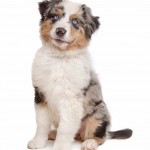
- Australian Shepherd
-
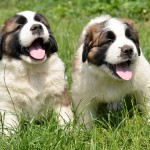
- Saint Bernard
-
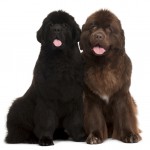
- Newfoundland