

General Information:
Height: 16-17 inches from shoulder
Weight: 22-24 lbs.
Average Life Span: 13-15 years
Coloring: tri-color; black, red, brindle, cream, and sable, all with white markings
Area of Origin: Congo
Similar Breeds: Beagle, Saluki, Shiba Inu
History and Origin:
The Basenji, most commonly known for its inability to bark, is an ancient dog breed with lineage that can be traced back to Egypt. The dogs were highly valued by the Egyptians for their ability to aid in hunting by retrieving, pointing, and directing prey into traps. In 1937, the Basenji was imported to England once more, and introduced to America for the first time. Only a male named “Bois” survived in America, while the rest died from distemper. A female was then sent to Boston, Massachusetts in 1941, and bred to Bois, resulting in the first Basenji litter of puppies in the U.S.
Personality and Temperament:
As hounds, Basenjis are naturally energetic, intelligent, and strong-willed, but are caring and attentive of their loved ones. They can be wary of strangers, and don’’t always get along well with children, although with the proper training, their lively spirit can make them a great companion for kids. Due to their hunting instincts, these dogs are easily distracted by movement and will chase just about anything, which is why they require socialization and training to be in households with smaller pets. The Basenji has an independent nature and is full of energy, so patience will be necessary in training, and exercise must be provided in order to keep the dog in check.
Exercise & Training:
It is very important that Basenjis are provided with daily exercise, as they tend to get bored easily. If possible, they can also be enrolled in sports such as lure coursing, agility, and tracking to keep them focused, as well as balance out their energy levels. Despite of their energy, they actually do well in apartments or smaller homes, as long as they get at least 30 minutes of exercise daily. Another thing owners should keep in mind is that these dogs are clever and can easily find a way to escape when left in the yard all alone. Socialization and training in general must be done at a young age. Otherwise, they may become aloof with strangers and other pets, making it impossible to enjoy time at the park or other social events with the dog. Positive reinforcement is the best way to go when training a Basenji, as being harsh or using negative reinforcement will only heighten their stubbornness and worsen the situation. Including frequent, short breaks or games in between sessions is also helpful in maintaining the dog’s attention and making training more interesting.
Grooming:
The Basenji has a smooth coat that sheds lightly and has no odor, which means that they are a very low-maintenance dog when it comes to grooming. Getting rid of the loose hairs and dead skin can be accomplished with a bristle brush or a hound glove. This will disperse the body’s natural oils throughout the coat, giving it beautiful shine. Baths are hardly necessary with this breed, thanks to their self-grooming habits. However, they do need nail clipping, ear cleaning, and brushing of the teeth to be done on a regular basis.
Similar Breeds:
Due to the Basenji’s unique ancestry, they are not closely related to many other breeds. Their genes can be traced back to the same lineage as the Siberian husky, Afghan hound, Chow Chow, Saluki, and Akita. However, since their genetic connection is ancient, they retain few similar characteristics to the other breeds today. They are most similar in shape and size to the modern Beagle.
4 Interesting Facts about the Basenji:
1. A common misconception about Basenjis is that they’re silent, but in reality, they just can’t bark. Due to their abnormally shaped larynx, they make a sound similar to a yodel, which is referred to as a “baroo.”
2. The Basenji is one of the few dog breeds that have an estrous cycle only once yearly, instead of two or more times a year like the other breeds.
3. The TV show, “The Wild Thornberrys” features Basenji dogs in season 3, episode 4. Nigel Thornberry runs into a tribe with Basenji hunting dogs, which were voiced by Mark Risley’s (show director) own Basenjis.
4. Some famous people who own or owned Basenjis include; King Farouk of Egypt, Queen Juliana of the Netherlands, Kelsey Grammer, the King of Thailand, and Courtney Thorne-Smith.
Organizations dedicated to the Basenji:
Basenji Club of America
Basenji Rescue and Transport, Inc.
Colorado Basenji Rescue
Country Hearts Hound/Basenji Rescue
Medfly Brigade Basenji Rescue
Breeds Similar to Basenji Dogs:
-

- Beagle
-

- Saluki
-
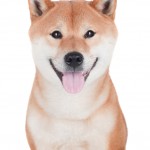
- Shiba Inu