
As a proud owner of a German Shepherd, you know how important it is to keep your furry friend happy and healthy. One key aspect of maintaining their overall well-being is proper grooming. Regular grooming not only helps keep your German Shepherd’s coat looking shiny and smooth but also promotes healthy skin and minimizes shedding.
In this comprehensive grooming guide, we will provide you with expert advice on how to care for your German Shepherd’s coat. From brushing techniques to bathing tips, our guide will equip you with the knowledge and skills to groom your loyal companion like a pro. Let’s get started!
Key Takeaways:
- Regular grooming is essential for a healthy and shiny coat of your German Shepherd.
- German Shepherds have a unique double coat that requires specific grooming techniques.
- Proper brushing, bathing, and drying should be done on a regular basis to keep your German Shepherd’s coat healthy and free from tangles.
- Grooming your German Shepherd goes beyond coat care, it also includes nail trimming, dental care, and check-ups with professional groomers and veterinarians.
- Make sure to use the right grooming tools and products for your German Shepherd to avoid skin irritations and other grooming-related problems.
Understanding the German Shepherd Coat
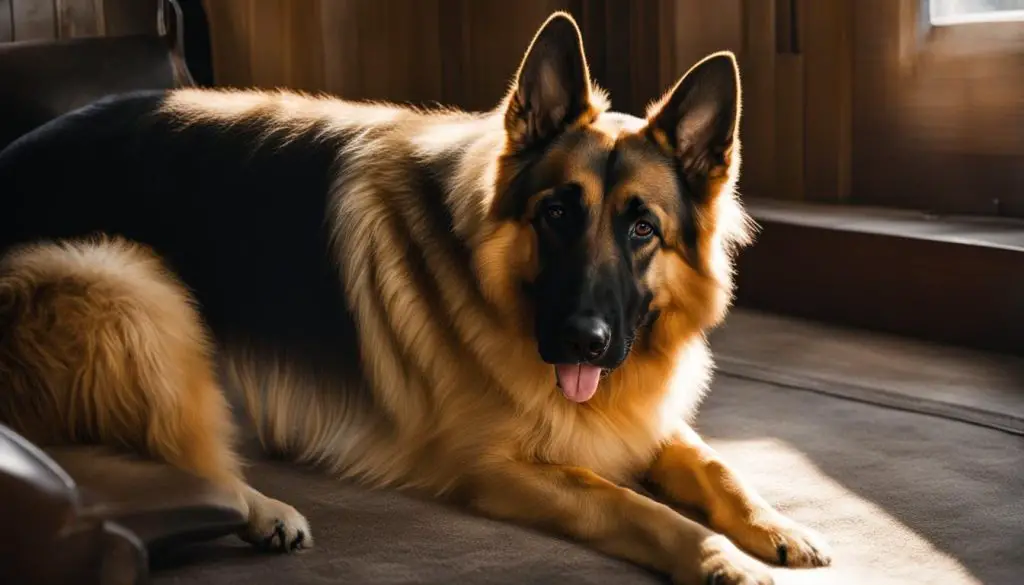
Before diving into grooming techniques, it’s important to understand the unique characteristics of a German Shepherd’s coat. These dogs have a double coat consisting of a dense, insulating undercoat and a longer, coarser outer coat. This combination provides protection from the elements but also requires regular maintenance to prevent matting and shedding.
In addition, German Shepherds have a unique shedding pattern. They typically blow their coat twice a year, in which they shed their undercoat profusely over the course of a few weeks. During this time, it’s especially important to maintain your dog’s coat to prevent tangling and matting.
The Double Coat
The insulating undercoat of a German Shepherd’s coat serves as a barrier to keep them warm in colder temperatures. This undercoat is incredibly dense and can become tangled and matted if not properly maintained. Regular brushing can also help stimulate blood flow to the skin and distribute natural oils throughout the coat, helping to keep it healthy and shiny.
The outer coat is longer and coarser than the undercoat and acts as a sort of “shell” to protect the dog from external elements such as water, mud, and debris. This coat can also become matted and tangled if not tended to regularly.
The Shedding Process
As mentioned, German Shepherds have a unique shedding pattern, where they shed their undercoat twice a year. During this process, it’s important to brush your dog regularly to remove loose fur and prevent tangling. If the shedding becomes excessive, you may want to consider investing in a de-shedding tool to help effectively remove the undercoat.
Fun Fact: The excessive shedding during the shedding season has earned German Shepherds the nickname “German Shedders.”
In addition to the seasonal shedding, German Shepherds will also shed throughout the year, but to a lesser degree.
Brushing Techniques for German Shepherds
Regular grooming is a must for every German Shepherd, and brushing is a crucial part of the process. Not only does brushing remove loose hair and prevent matting, but it also helps distribute the natural oils in the coat, leaving it looking shiny and healthy.
The optimal frequency for brushing a German Shepherd is twice a week, but it could vary depending on your dog’s coat and lifestyle. A dog that spends a lot of time outdoors will need more frequent brushing.
When it comes to choosing the right brush, a slicker brush is ideal for German Shepherds, as it is gentle yet effective at removing loose and tangled hair. A pin brush can be used after the slicker brush to help remove any remaining loose hair and smooth the coat.
While brushing your German Shepherd, be sure to pay attention to sensitive areas such as the tail, ears, and belly. Using a softer brush will help keep these areas comfortable and avoid any irritation.
Tip: Be sure to brush in the direction of hair growth, and avoid pulling on the coat, as this can cause discomfort and even pain.
Brushing Technique:
| Step | Instructions |
|---|---|
| Step 1 | Start at the head and work your way down the body, brushing in the direction of hair growth. |
| Step 2 | Pay special attention to sensitive areas such as the tail, ears, and belly, using a softer brush if needed. |
| Step 3 | Use a pin brush to remove any remaining loose hair and smooth the coat. |
| Step 4 | Finish by lightly misting your dog’s coat with water to help distribute natural oils evenly. |
Expert Tip: If you notice any mats or tangles in your German Shepherd’s coat, do not tug or cut them out. This can cause pain and even injury. Instead, use a mat rake or seek the help of a professional groomer.
Bathing and Drying a German Shepherd
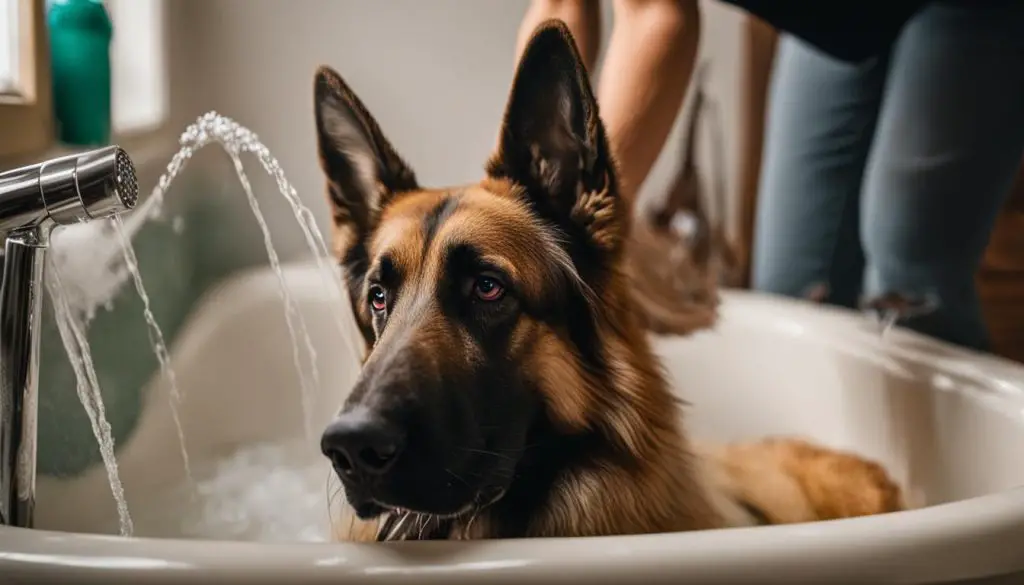
Regular bathing is an essential part of German Shepherd grooming. It helps to keep your furry friend looking and smelling fresh while preventing the buildup of dirt, debris, and bacteria in their fur. When it comes to bathing your German Shepherd, here are some grooming tips to keep in mind:
- The ideal bathing schedule: German Shepherds should be bathed every 6 to 8 weeks or as needed if dirt or odor is present. Be careful not to bathe them too often as it can strip natural oils from their coat, resulting in dry and itchy skin.
- Suitable products: Choose a shampoo that is specifically formulated for German Shepherd coats and free from harsh chemicals that can irritate their skin. Avoid using human shampoo as it can be too drying for your dog’s coat. We recommend using organic dog shampoos with natural ingredients such as oatmeal, aloe vera, and coconut oil.
- Proper washing and drying: Wet your furry friend from head to toe, taking care to avoid getting water in their ears. Lather up the shampoo and massage it into their coat, paying particular attention to their underbelly, paws, and tail. Rinse them thoroughly with lukewarm water, making sure all shampoo is removed, and then towel dry or use a blow dryer on low heat to dry their coat. Avoid using high heat or leaving your German Shepherd in a drafty area while they are still wet to prevent them from catching a cold.
- Ear and dental care: During bathing, take the opportunity to clean your German Shepherd’s ears with a cotton ball or pad moistened with a gentle ear cleaner. Additionally, brushing your dog’s teeth regularly will help prevent dental problems and keep their breath fresh. You can use a toothbrush designed for dogs and toothpaste formulated for pets.
By following these grooming tips for German Shepherds, you can keep your furry friend looking and feeling their best. A clean, healthy coat is crucial to their overall health and wellbeing.
Other Grooming Considerations for German Shepherds
Ensuring your German Shepherd’s coat is healthy and shiny requires more than just brushing and bathing. Here are a few additional grooming needs that are specific to this breed:
Nail Trimming
Trimming your German Shepherd’s nails is important for their comfort and health. Overgrown nails can cause pain and difficulty walking. Aim to trim the nails every four to six weeks, or as needed. Use a proper nail clipper and be careful not to cut the quick, the pink part of the nail that houses blood vessels and nerves. If you are uncertain, consult with a professional groomer or veterinarian for guidance.
Dental Care
Just like humans, dogs can develop dental issues such as plaque buildup, gum disease, and tooth decay. Brush your German Shepherd’s teeth regularly using a dog-friendly toothpaste and toothbrush. Additionally, provide chew toys or dental treats to maintain their oral hygiene. Regular dental checkups with a veterinarian can help detect any dental issues early on.
Anal Gland Expression
Anal glands are small sacs on either side of a dog’s rectum that produce strong-smelling liquid. Although most dogs naturally express their anal glands during bowel movements, some may require manual expression. Signs of anal gland issues include scooting, licking, or biting the area around the anus. If you notice any of these signs, consult with a professional groomer or veterinarian for assistance.
Regular grooming is essential for the health and well-being of your German Shepherd. By following these grooming tips and seeking professional help when needed, you can keep your faithful companion looking and feeling their best.
FAQ
What are the best practices for maintaining a German Shepherd’s coat?
To keep your German Shepherd’s coat healthy, it’s important to regularly brush their fur to remove loose hair and prevent matting. Additionally, occasional bathing and proper drying techniques help in maintaining overall cleanliness. It is also essential to address nail trimming, dental care, and anal gland expression. Regular check-ups with a professional groomer or veterinarian are highly recommended to ensure your German Shepherd’s grooming needs are met.
What is the benefit of brushing a German Shepherd’s coat?
Brushing a German Shepherd’s coat has several benefits. Firstly, it helps remove loose hair, reducing shedding and keeping your home cleaner. Regular brushing also stimulates the skin and promotes healthy oil distribution, resulting in a shiny and well-maintained coat. Additionally, the bonding experience created during brushing sessions strengthens the bond between you and your German Shepherd.
How often should I brush my German Shepherd’s coat?
The frequency of brushing depends on your German Shepherd’s shedding patterns. During shedding season, which usually occurs twice a year, it is recommended to brush your dog’s coat daily or every other day to remove loose hair. Outside of shedding season, brushing two to three times a week is usually sufficient. However, individual dogs may have different grooming needs, so it’s important to observe your German Shepherd’s coat and adjust the frequency accordingly.
What tools should I use for brushing a German Shepherd?
For brushing a German Shepherd, it is recommended to use a combination of a slicker brush and an undercoat rake. The slicker brush helps remove loose hair and tangles from the topcoat, while the undercoat rake penetrates through the dense undercoat to remove dead hair and prevent matting. It is important to choose brushes with high-quality bristles and to use them gently to avoid irritating your dog’s skin.
How should I approach sensitive areas while brushing my German Shepherd?
When brushing a German Shepherd, it’s important to approach sensitive areas, such as the tail, ears, and belly, with care. Use gentle strokes and gradually work your way through these areas. If your German Shepherd is uncomfortable or resistant, try using positive reinforcement techniques, such as treats or praise, to make the grooming experience more positive. If necessary, seek assistance from a professional groomer for handling sensitive areas.
How often should I bathe my German Shepherd?
German Shepherds have a self-cleaning coat that does not require frequent bathing. In general, bathing your German Shepherd every two to three months is sufficient to maintain hygiene. However, if your dog gets excessively dirty or has a skin condition, you may need to bathe them more frequently. It is important to use a dog-specific shampoo and thoroughly rinse off all the soap to avoid skin irritation.
How should I dry my German Shepherd after bathing?
After bathing your German Shepherd, it’s important to dry them thoroughly to prevent moisture from getting trapped in their dense coat. Use absorbent towels to remove excess water by gently patting or squeezing the fur. Avoid vigorous rubbing to minimize tangling. You can also use a low-heat blow dryer or a air dry your dog. Ensure that the drying process is not prolonged to avoid overheating and discomfort for your German Shepherd.