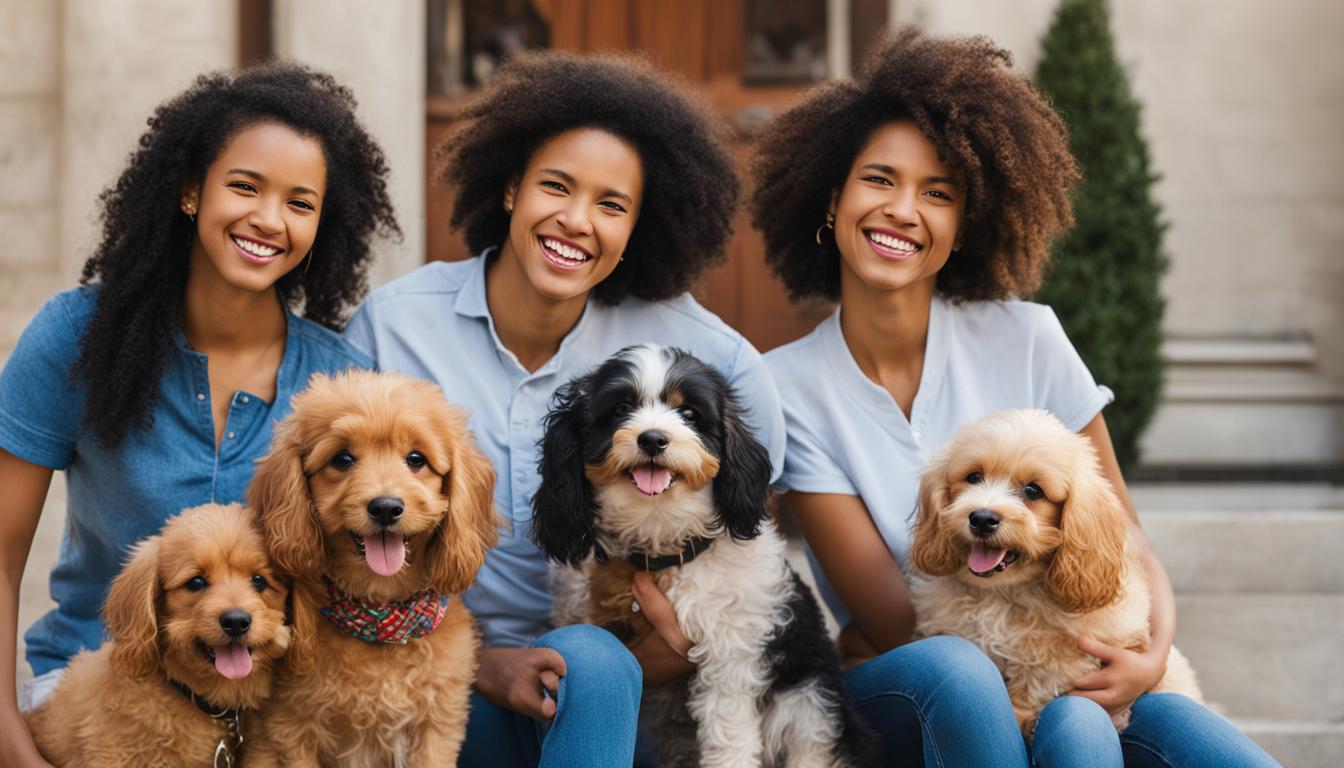

Welcome to our guide on Cavapoo health care. As a responsible Cavapoo owner, it’s crucial to understand the preventative care measures and common health issues that may arise in these lovable hybrid dogs. Cavapoos, a cross between the Cavalier King Charles Spaniel and Poodle breeds, are generally healthy dogs with a long life expectancy of 13 to 15 years. However, they can still be at risk for certain health issues that are common in both parent breeds.
To minimize the risk of genetic illnesses, responsible breeding practices and genetic testing are essential. By ensuring the health and well-being of both parent breeds, breeders can reduce the chances of passing down hereditary diseases to Cavapoo puppies. As an owner, it’s important to be aware of the common health issues that Cavapoos may face, such as mitral valve disease, progressive retinal atrophy, patellar luxation, hip and elbow dysplasia, and epilepsy.
Key Takeaways:
- Responsible breeding and genetic testing helps minimize the risk of genetic illnesses in Cavapoos.
- Cavapoos can be prone to health issues such as mitral valve disease, progressive retinal atrophy, patellar luxation, hip and elbow dysplasia, and epilepsy.
- Early detection and treatment of these health issues are crucial for the well-being of Cavapoos.
- Regular veterinary check-ups and preventative care are essential for maintaining Cavapoo health.
- Understanding and being aware of the symptoms of common health issues in Cavapoos is important for timely intervention and improved outcomes.
What Are Cavapoos
Cavapoos are a unique breed that combines the charming characteristics of both the Cavalier King Charles Spaniel and Poodle. These lovable dogs are known for their affectionate nature, intelligence, and playful demeanor. Cavapoos inherit the best traits from their parent breeds, making them wonderful companions for individuals and families alike.
One of the most striking features of Cavapoos is their appearance. They have beautiful, fluffy coats that are often considered hypoallergenic, making them a great choice for individuals with allergies. Additionally, Cavapoos come in various sizes, depending on the size of the Poodle parent. This makes them adaptable to different living spaces, whether it be a cozy apartment or a spacious home.
Here are some key traits that define the Cavapoo breed:
- Loving and affectionate: Cavapoos are known for their loving nature and enjoy being part of a family. They form strong bonds with their owners and thrive on companionship.
- Gentle and friendly: With their gentle temperament and friendly disposition, Cavapoos get along well with children, other pets, and strangers.
- Intelligent and trainable: Cavapoos are smart dogs that are eager to please. They respond well to positive reinforcement training methods and easily learn new commands and tricks.
- Playful and energetic: Despite their small size, Cavapoos are energetic dogs that enjoy playtime and outdoor activities. They love to chase balls, go for walks, and engage in interactive games.
“Cavapoos inherit the best traits from both the Cavalier King Charles Spaniel and Poodle breeds, making them a delightful combination of affectionate, intelligent, and playful.”
Whether you’re seeking a loyal companion or a family pet, Cavapoos are a wonderful choice. Their unique blend of traits makes them adaptable to various lifestyles and environments. Their undeniable charm and loving nature will bring joy and happiness to your home.
Cavapoo Health Issues: Are Cavapoos Healthy?
While Cavapoos are generally healthy dogs, it’s important to be aware of certain health issues that they can be prone to. These health concerns can arise from the genetic makeup of their parent breeds, the Cavalier King Charles Spaniel and Poodle.
Some common Cavapoo health issues include:
- Heart conditions like mitral valve disease
- Eye problems like progressive retinal atrophy
- Joint diseases like patellar luxation and hip and elbow dysplasia
- Neurological disorders like epilepsy
Understanding and recognizing the symptoms of these common Cavapoo health issues are essential for early detection and proper care. By being proactive and addressing these concerns, you can ensure that your Cavapoo stays healthy and lives a happy life.
| Common Cavapoo Health Issues | Symptoms | Treatment |
|---|---|---|
| Mitral Valve Disease | – Heart murmurs – Shortness of breath – Coughing – Weight loss – Intolerance to exercise |
– Medication to manage symptoms – Special diet and exercise regime |
| Progressive Retinal Atrophy | – Decreased vision – Anxiety – Cloudy eyes – Loss of eye pigment |
– Regular eye examinations – Antioxidant supplements – Supportive care |
| Patellar Luxation | – Pain – Difficulty getting up or lying down – Lameness – Hunched lower back |
– Medication to manage pain and inflammation – Physical therapy – Surgery, if necessary |
| Hip and Elbow Dysplasia | – Difficulty moving – Lameness – Loss of muscle mass |
– Medication for pain relief – Physical therapy – Surgery, if severe |
| Epilepsy | – Seizures – Anxiety before seizures – Clumsiness – Excessive thirst |
– Medication to manage seizures – Regular check-ups and adjustments to medication if needed |
How To Prevent Cavapoo Health Issues?
To ensure the well-being of your beloved Cavapoo, proactive preventative care is crucial. By taking the necessary steps to maintain their health, you can minimize the risk of common Cavapoo health issues and provide them with a happy and thriving life. Here are some essential tips to help you maintain your Cavapoo’s health:
Responsible Breeding and Genetic Testing
One of the first steps in preventing Cavapoo health issues is to choose a reputable breeder who conducts responsible breeding practices and performs genetic testing on their breeding dogs. This helps to minimize the risk of inherited diseases and ensures that your Cavapoo starts off on the right foot.
Regular Veterinary Check-ups and Vaccinations
Scheduling regular veterinary check-ups is vital for monitoring your Cavapoo’s overall health and detecting any potential issues early on. Your veterinarian can provide necessary vaccinations to protect against common canine diseases and give personalized recommendations based on your Cavapoo’s specific needs.
Parasite Control
Parasites such as fleas, ticks, and worms can pose a threat to your Cavapoo’s health. Implementing a regular parasite control program, including the use of preventive medications, will help safeguard your furry friend from these pesky pests.
Nutrition and Portion Control
A well-balanced diet is essential for preventing Cavapoo health issues. Consult with your veterinarian to determine the best diet for your Cavapoo based on their age, size, and specific health requirements. It’s crucial to follow portion control guidelines to prevent obesity, which can lead to a range of health problems.
Regular Exercise
Regular exercise is vital for maintaining your Cavapoo’s physical and mental well-being. Tailor the type and intensity of exercise to suit their size, age, and energy levels. Engaging in daily activities, such as walks, playtime, or interactive games, will help keep your Cavapoo active, fit, and happy.
Grooming
Grooming plays a significant role in Cavapoo preventative care. Regular brushing helps to maintain a healthy coat, prevent matting, and reduce the risk of skin infections. Additionally, routine ear cleaning and dental care promote good oral health and prevent common dental issues.
“Preventing Cavapoo health issues requires dedication and a comprehensive approach to care. By following these tips, you can help ensure that your Cavapoo remains healthy, vibrant, and by your side for years to come.”
Cavapoo Preventative Care Checklist
| Preventative Care Aspect | Recommendations |
|---|---|
| Responsible Breeding | Choose a reputable breeder who practices responsible breeding and performs genetic testing on their dogs. |
| Regular Veterinary Check-ups | Schedule routine check-ups with a trusted veterinarian to monitor your Cavapoo’s health and detect any potential issues early on. |
| Vaccination | Ensure your Cavapoo receives all necessary vaccinations to protect against common canine diseases. |
| Parasite Control | Implement a regular parasite control program with the guidance of your veterinarian to prevent fleas, ticks, and worms. |
| Nutrition and Portion Control | Consult with your veterinarian to determine an appropriate diet and follow portion control guidelines to prevent obesity. |
| Regular Exercise | Engage in daily exercise activities tailored to your Cavapoo’s size, age, and energy levels. |
| Grooming | Regularly brush your Cavapoo’s coat, clean their ears, and practice dental care to maintain overall hygiene and health. |
By following this comprehensive preventative care checklist, you can provide your Cavapoo with the best chance at a healthy and fulfilling life. Remember, when it comes to your Cavapoo’s health, prevention is key!
Common Cavapoo Health Issues: Symptoms and Treatment
The common Cavapoo health issues mentioned earlier have specific symptoms that owners should be aware of. Early detection and proper treatment of these health issues are crucial to prevent further complications and improve the quality of life for Cavapoos. Here are some of the common Cavapoo health issues and their symptoms:
- Mitral Valve Disease: Symptoms of mitral valve disease in Cavapoos include heart murmurs, shortness of breath, coughing, weight loss, and intolerance to exercise.
- Progressive Retinal Atrophy: Cavapoos with progressive retinal atrophy may experience decreased vision, anxiety, cloudy eyes, and loss of eye pigment.
- Patellar Luxation: Signs of patellar luxation in Cavapoos include pain, difficulty getting up or lying down, lameness, and a hunched lower back.
- Hip and Elbow Dysplasia: Symptoms of hip and elbow dysplasia in Cavapoos may include difficulty moving, lameness, and loss of muscle mass.
- Epilepsy: Cavapoos with epilepsy may exhibit seizures, anxiety before seizures, clumsiness, and excessive thirst.
It is important to consult with a veterinarian if you notice any of these symptoms in your Cavapoo. They can provide an accurate diagnosis and recommend appropriate treatment options to manage these health issues. Timely intervention can help alleviate discomfort, minimize progression, and enhance the overall well-being of your beloved Cavapoo.
Remember, as a responsible Cavapoo owner, you play a crucial role in monitoring your dog’s health and well-being. By staying vigilant for these symptoms and seeking prompt veterinary attention, you can ensure that your Cavapoo receives the necessary treatment and care to live a happy and healthy life.
The Importance of Regular Veterinary Care for Cavapoos
Regular veterinary care is essential for monitoring Cavapoo health and detecting any potential issues early on. A trusted veterinarian can conduct health screenings, provide vaccinations, and offer expert advice on nutrition, grooming, and preventative care. By scheduling regular check-ups for your Cavapoo, you can ensure that any health concerns are identified and addressed promptly.
During veterinary check-ups, your Cavapoo will receive a comprehensive examination that includes a thorough assessment of their overall health. Your veterinarian will check for any signs of illness, abnormalities, or potential health issues specific to Cavapoos. They will also provide you with personalized recommendations and guidance based on the specific needs of your Cavapoo.
Regular veterinary care is crucial for maintaining the well-being of your Cavapoo and preventing potential health issues. By establishing a good relationship with your veterinarian, you can ensure that your Cavapoo receives the highest quality care throughout their life.
One of the key benefits of regular veterinary care is early detection. Many health conditions can be much easier to manage and treat when caught early. Regular check-ups allow veterinarians to closely monitor your Cavapoo’s health and identify any subtle changes that may indicate an underlying health problem. By addressing these issues early on, you can prevent them from developing into more serious conditions.
Veterinarians can also provide guidance on preventive measures to keep your Cavapoo healthy. This includes recommendations for proper nutrition, exercise, and grooming. They can advise you on the best food options for your Cavapoo’s specific needs, help you develop an exercise routine that suits their activity level, and provide tips on grooming practices that promote optimal health.
Building a strong relationship with your veterinarian is crucial for the ongoing care of your Cavapoo. Regular visits will allow your veterinarian to become familiar with your pet’s unique health profile and provide tailored care accordingly. Additionally, your veterinarian can quickly address any questions or concerns you may have, ensuring that you have the knowledge and confidence needed to properly care for your Cavapoo.
Conclusion
In conclusion, taking care of your Cavapoo’s health requires a proactive approach to prevent and manage potential issues. Responsible breeding practices and regular veterinary care play a crucial role in maintaining their well-being. By ensuring proper nutrition, exercise, grooming, and early detection of symptoms, you can help your Cavapoo live a happy and healthy life.
Being knowledgeable about common health issues, such as mitral valve disease, progressive retinal atrophy, patellar luxation, hip and elbow dysplasia, and epilepsy, allows you to provide the necessary care and take appropriate measures when needed. Regular visits to the veterinarian for check-ups, vaccinations, and personalized advice are essential for safeguarding your Cavapoo’s health.
Remember, every Cavapoo is unique, with individual needs and requirements. Consulting with a veterinarian who understands your Cavapoo’s specific needs will ensure the best care possible. With proper care and attention, you can enjoy the companionship of your Cavapoo for many years to come.
FAQ
Are Cavapoos generally healthy dogs?
Yes, Cavapoos are generally healthy dogs with a long life expectancy of 13 to 15 years. However, they can still be prone to certain health issues that are common in both parent breeds. Responsible breeding and genetic testing can help minimize the risk of genetic illnesses.
What are some common health issues in Cavapoos?
Some common Cavapoo health issues include mitral valve disease, progressive retinal atrophy, patellar luxation, hip and elbow dysplasia, and epilepsy. Recognizing the symptoms of these conditions is important for early detection and treatment.
How can I prevent Cavapoo health issues?
Preventing Cavapoo health issues starts with responsible breeding and genetic testing to minimize the risk of inherited diseases. Regular veterinary check-ups, vaccinations, and parasite control are important for maintaining overall health. Proper nutrition with a balanced diet and portion control can help prevent obesity. Regular exercise, appropriate for the size and age of the Cavapoo, is also important for their well-being. Grooming, including regular brushing, ear cleaning, and dental care, can help prevent certain health issues.
What are the symptoms and treatment options for common Cavapoo health issues?
The common Cavapoo health issues mentioned earlier have specific symptoms that owners should be aware of. These symptoms include heart murmurs, shortness of breath, coughing, weight loss, and intolerance to exercise for mitral valve disease. Progressive retinal atrophy may lead to decreased vision, anxiety, cloudy eyes, and loss of eye pigment. Patellar luxation can cause pain, difficulty getting up or lying down, lameness, and hunched lower back. Hip and elbow dysplasia may result in difficulty moving, lameness, and loss of muscle mass. Epilepsy is characterized by seizures, anxiety before seizures, clumsiness, and excessive thirst. Early detection and proper treatment of these health issues are crucial to prevent further complications and improve the quality of life for Cavapoos.
How important is regular veterinary care for Cavapoos?
Regular veterinary care is essential for monitoring Cavapoo health and detecting any potential issues early on. Veterinarians can conduct health screenings, provide vaccinations, and offer advice on nutrition, grooming, and preventative care. They can also provide personalized recommendations and guidance based on the specific needs of individual Cavapoos. Building a good relationship with a trusted veterinarian will ensure that Cavapoos receive the best care throughout their lives.
What is the importance of preventative care and maintaining Cavapoo health?
Cavapoo health care requires a proactive approach to prevent and manage potential health issues. Responsible breeding, regular veterinary care, proper nutrition, exercise, grooming, and early detection of symptoms are all key components of maintaining the health and well-being of Cavapoos. By being knowledgeable about common health issues and providing the necessary care, owners can ensure that their Cavapoos lead happy and healthy lives. Remember to consult with a veterinarian for personalized advice and recommendations for your Cavapoo’s specific needs.