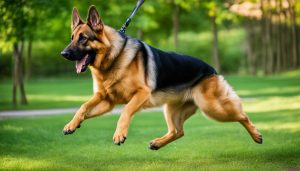

If you own a German Shepherd, then you know how intelligent, loyal, and protective they can be, making them the perfect choice for a family pet. However, to get the best from your German Shepherd and ensure proper behavior, obedience training is essential.
German Shepherd training can be challenging, but with the right techniques and patience, you can turn your furry friend into a well-behaved and obedient companion. In this article, we will explore the most effective training methods for German Shepherds, starting with the basics through to advanced training techniques and addressing common behavioral issues.
The key to success is positive reinforcement and consistency in your training techniques. With the right approach and consistent training, you can build a strong bond with your German Shepherd and ensure obedience and good behavior both inside and outside of the home.
Key Takeaways:
- German Shepherd training requires patience and consistency for optimal results.
- Positive reinforcement is the most effective training approach for German Shepherds.
- A strong foundation of basic commands is essential for advanced training.
- Proper socialization is crucial to a well-rounded and well-behaved dog.
- Maintain consistency in your training techniques to strengthen the bond and ensure obedience.
Understanding the German Shepherd Breed
The German Shepherd is a highly intelligent and trainable breed, but their unique characteristics and traits require specific training approaches. Understanding the breed characteristics is crucial to develop successful training strategies that will strengthen the bond between you and your dog.
German Shepherds are known for their loyalty, agility, and protective instincts. They are also highly energetic dogs that require regular exercise and mental stimulation. An inadequate amount of exercise can lead to boredom and destructive behaviors such as excessive chewing or digging.
German Shepherds are also known for their strong-willed nature and can be dominant if not properly trained and socialized. They are highly responsive to positive reinforcement and thrive on clear communication and structure. This breed is not recommended for first-time dog owners or those who cannot devote enough time to training and exercise.
To successfully train a German Shepherd, an owner must be patient, consistent, and confident. Training techniques focused on positive reinforcement are essential to develop a strong bond between you and your dog. It is important to avoid using harsh punishment or negative reinforcement since it can lead to resistance and weaken the bond you share with your dog.
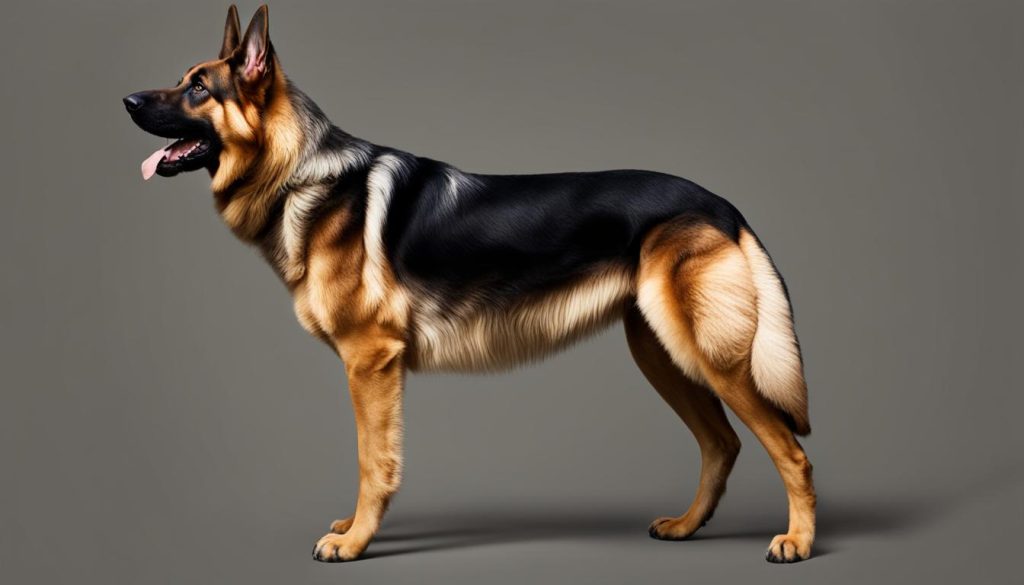
“A well-trained German Shepherd can be an excellent family companion, a reliable protector, and a valuable ally in law enforcement and search-and-rescue missions.”
Building a Strong Foundation through Basic Commands
If you want to establish a strong bond with your German Shepherd, it’s crucial to start with a solid foundation. Teaching basic obedience commands is essential for communication and creating a sense of structure. Through repetition and positive reinforcement, you can establish good habits that will stay with your German Shepherd throughout their life.
Start by teaching your German Shepherd the “sit” command. This simple command is the foundation for other commands and will help teach your dog self-control. Follow the steps below to train your German Shepherd to sit:
- Hold a treat close to your dog’s nose.
- Slowly move your hand up, which will cause your dog’s head to follow the treat and his bottom to lower.
- Once your dog is in a sitting position, say “sit,” give him the treat, and praise him.
- Repeat this process until your German Shepherd learns to associate the word “sit” with the action of sitting.
Other basic commands that you can teach your German Shepherd include “stay,” “down,” and “heel.” Consistency is key in obedience training, so make sure to practice these basic commands daily and in different environments.
Remember, training your German Shepherd requires patience and commitment. Your dog may not learn a new command overnight, but with positive reinforcement, consistency, and practice, you can create a confident and obedient companion that follows your lead.
Advanced Training Techniques for German Shepherds
Once you have successfully established basic commands and obedience training techniques with your German Shepherd, it’s time to push the boundaries with advanced training methods that challenge both their mental and physical abilities. Let’s explore some popular advanced training methods:
Leash Training
Leash training is crucial for both your German Shepherd’s safety and your own. Start with shorter walks and gradually increase the duration and distance as your dog becomes more comfortable and confident on the leash. Teach them to walk on a loose leash and reward good behavior with positive reinforcement such as treats or verbal praise.
Recall Training
Recall training teaches your German Shepherd to come when called, even when they are distracted by other animals or sensory stimuli. Start in a distraction-free environment and gradually increase the difficulty level. Never call your dog to punish them, but always reward with positive reinforcement when they come to you.
Agility Training
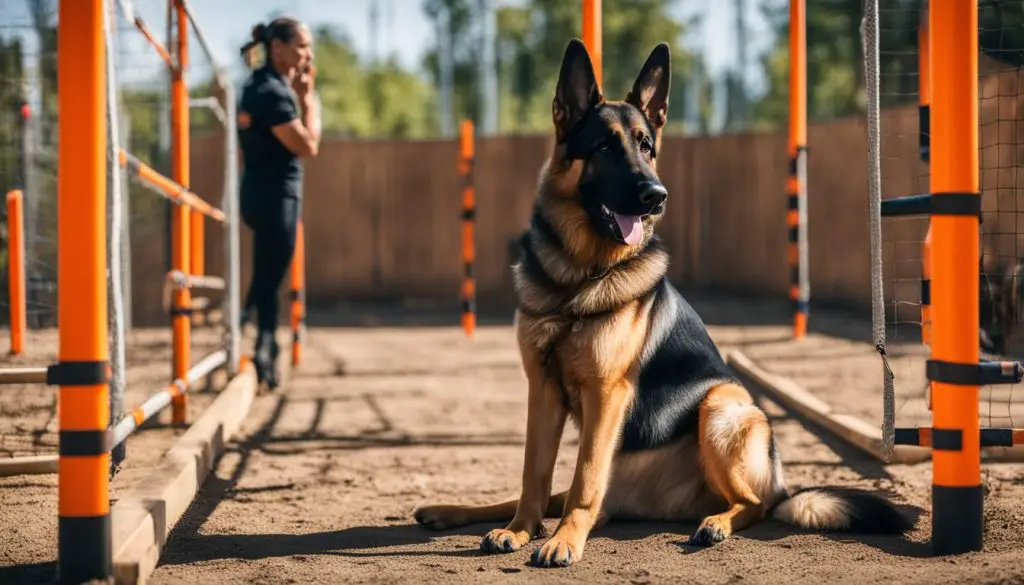
Agility training is an excellent way to stimulate your German Shepherd’s physical and mental abilities. It involves navigating through obstacle courses such as tunnels, jumps, and weave poles. Start with basic obstacles and gradually increase the difficulty level as your dog becomes more skilled and confident.
Remember, always use positive reinforcement and patience when implementing advanced training techniques. Your German Shepherd will respond best to a training environment that is positive, consistent and rewarding.
Addressing Behavioral Issues and Socialization
German Shepherds are a highly intelligent and active breed, but they can also exhibit challenging behavioral issues that require specific training techniques. One common issue is excessive barking, which can be resolved through positive reinforcement and consistent training methods. Separation anxiety is another issue that may manifest in German Shepherds, but with proper training, you can help your dog feel more comfortable and secure when alone.
Aggression is another sensitive issue that may arise in German Shepherds, often due to lack of socialization or past negative experiences. With patient and consistent training methods that emphasize positive reinforcement, you can help your dog overcome any aggression behaviors and become a well-behaved and loving companion.
Proper socialization is essential for German Shepherds to develop healthy and positive interactions with other dogs and people. It is recommended to introduce your German Shepherd to a variety of social settings and people from a young age, challenging them to adapt and learn in new environments.
By addressing common behavioral issues and ensuring proper socialization, you can help your German Shepherd become a well-rounded and well-behaved companion.
Maintaining Training Consistency and Strengthening the Bond
You’ve put in the time and effort to train your German Shepherd, but it doesn’t end there. Consistency is key to maintaining their obedience and strengthening your bond. Here are some tips to help you stay on track:
- Continue to practice basic commands regularly to reinforce good behavior.
- Gradually introduce new challenges to keep your German Shepherd mentally and physically stimulated.
- Be patient and consistent when addressing behavioral issues. It may take time, but it’s important to remain firm and consistent in your training approach.
- Use positive reinforcement techniques such as treats, toys, and verbal praise to reward good behavior and strengthen your bond.
Remember, training your German Shepherd is an ongoing process. With dedication and patience, you can build a strong foundation of obedience and bonding that will last a lifetime.
It’s important to integrate obedience training for German Shepherds in your daily routine. This will ensure that your dog remains well-behaved and obedient. Simple actions such as praising your dog, regularly practicing the basic commands, and implementing obedience training in different environments can help maintain your German Shepherd’s discipline.
A well-trained German Shepherd is not just a pleasure to be around, they also make great companions, guard dogs, and therapy animals. By remaining consistent in your training efforts, you can help your German Shepherd reach their full potential and become a loyal and obedient companion.
So keep up the good work and continue to strengthen your bond with your furry friend through ongoing training and positive reinforcement!
Remember, consistency is key in obedience training for German Shepherds. With patience, dedication, and the right approach, you can maintain a strong bond with your dog while ensuring their obedience and well-being.
FAQ
What are the most effective training techniques for German Shepherds?
The most effective training techniques for German Shepherds include positive reinforcement, consistency, and clear communication. Rewards such as treats, praise, and playtime can be used to motivate and reinforce desired behaviors.
Are there specific training methods recommended for German Shepherds?
While there are various training methods available, positive reinforcement is highly recommended for German Shepherds. This approach focuses on rewarding good behavior rather than punishing or using harsh methods, creating a positive and enjoyable learning experience for your dog.
How can obedience training benefit my German Shepherd?
Obedience training is essential for German Shepherds as it helps establish a strong bond between you and your dog, improves their behavior and manners, enhances their mental and physical stimulation, and ensures their safety in different environments.
How long does it take to train a German Shepherd?
The training duration for German Shepherds can vary depending on the individual dog and the consistency of training. Basic obedience training can take a few weeks to a few months, while advanced training may require several months or more. Remember, training is an ongoing process that requires patience and consistency.
Is it important to socialize my German Shepherd?
Yes, socialization is crucial for German Shepherds. Proper socialization from an early age helps them become well-rounded and well-behaved dogs. It exposes them to different environments, people, and animals, reducing the likelihood of fear, aggression, and anxiety in social situations.
How can I address behavioral issues in my German Shepherd?
To address behavioral issues in your German Shepherd, it is important to identify the cause of the behavior and address it appropriately. Consult with a professional dog trainer or behaviorist who can provide guidance on positive reinforcement techniques, behavior management strategies, and desensitization exercises.