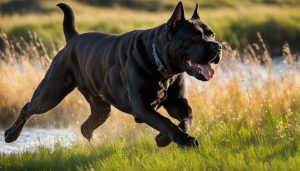

Embarking on the journey of raising a Cane Corso, you will witness a remarkable transformation. Renowned for their majestic stance and robust build, these dogs evolve from frolicsome puppies to statuesque guardians. Understanding the trajectory of Cane Corso growth is paramount to fostering their development into the ultimate adult Cane Corso size. Your insight into puppy development will enable you to cater to their rapid growth with precision and affection.
Key Takeaways
- Track the Cane Corso growth stages to ensure your puppy develops into a healthy adult.
- Familiarize yourself with the timeline of puppy development milestones.
- Anticipate the physical changes as your Cane Corso approaches its full adult Cane Corso size.
- Understand the importance of nutrition and exercise in your Cane Corso’s growth period.
- Be prepared for the demands that come with caring for a rapidly growing breed.
- Recognize that each Cane Corso is unique, with individual growth rates and sizes.
Understanding Your Cane Corso’s Heritage
Diving into the Cane Corso history unveils a majestic path carved by this powerful breed, the Italian Mastiff. Recognized for its commanding presence, the Cane Corso serves as a living testament to its enduring breed heritage. Stemming from the Roman canis Pugnaces, these indomitable spirits were once war dogs, an embodiment of might and bravery, shepherding armies through countless battles.
Their transition from the battlegrounds to the agricultural landscapes of rural Italy marked a crucial turn in the breed’s utilization. As farming flourished, the Cane Corso adapted seamlessly into a role that underscored its versatility. They were irreplaceable as drovers, herding livestock with an invisible, yet unyielding command. Their intelligence and power also made them exceptional guardians, standing sentinel over sprawling farmlands and silently overseeing the safety of their charges.
As you marvel at your Cane Corso’s robust and sturdy physique, understand that these traits have been meticulously shaped by centuries of selective breeding, all tailored to these critical tasks. Their profound loyalty and inherent protective instincts that endear them to modern families are the result of this rich history.
The legacy of the Italian Mastiff has been preserved through the devotion of Italian breeders, who have safeguarded the Cane Corso’s lineage and its historical significance. By recognizing and honoring their noble heritage, you connect with a storied past that continues to breathe life into the Cane Corso’s identity today.
The Evolution of Size and Strength in Cane Corsos
Discovering the robust journey of a Cane Corso puppy growth reveals significant transformations during their early developmental stages. In the blink of an eye, a delicate newborn Cane Corso begins to manifest the distinct characteristics of a stalwart guardian. Let’s delve into the critical formative weeks and months that chart the course for their awe-inspiring development.
Birth to 3 Months: The Formative First Weeks
Within the initial three months of a Cane Corso’s life, the foundation for future size and strength is laid down. It is in these formative weeks that a Cane Corso experiences rapid neural and physical maturation. During this stage, sensory and motor skills are awakened, and the very essence of their muscular framework begins to shape.
The trajectory of growth during this period is remarkable—a ballet of genes coming forth in tangible form. Each week braces the Cane Corso puppy for the impending spurts of growth, fostering a balance of strength and coordination essential for their prominent physique.
4 to 9 Months: Rapid Growth and Development
Moving onwards from their tender inception, the Cane Corso sails towards a phase of pronounced growth between four to nine months. At this juncture, the Cane Corso puppy growth may appear boundless, with each day yielding discernible changes. Owners will witness a surge in both their puppy’s size and physical prowess, reflective of the breed’s inherent power.
The cadence of growth gains tempo, and the need for a structured routine becomes paramount to direct their burgeoning strength positively. Encouraging healthy exercise habits during these developmental stages ensures that the Cane Corso’s potential swells in proportion to their formidable silhouette.
| Age Range | Expected Weight Range | Developmental Milestones |
|---|---|---|
| Birth to 1 month | 4-15 lbs (1.8-6.8 kg) | Neonatal to Transitional stage, early socialization |
| 2 to 3 months | 15-35 lbs (6.8-15.9 kg) | Socialization period, Introduction to solid food |
| 4 to 6 months | 35-65 lbs (15.9-29.5 kg) | Teething, Rapport building, Basic training |
| 7 to 9 months | 65-100 lbs (29.5-45.4 kg) | Start of adolescence, Increased independence |
As the owner of a promising Cane Corso, your observation and engagement during these foundational months are instrumental. Your actions and understanding pave the way for a well-adjusted, muscular, and dignified canine companion, worthy of the Cane Corso’s noble lineage.
Cane Corso Size Chart
As you explore the growth of your Cane Corso, understanding the average height and weight of this majestic breed is crucial. Official breed standards provide valuable benchmarks to help gauge your dog’s development. Below is a Cane Corso size chart that outlines general expectations for growth, keeping in mind that individual dogs may vary due to genetics, diet, and exercise.
| Age | Average Height (inches) | Average Weight (lbs) |
|---|---|---|
| 6 months | 15-18 | 45-50 |
| 1 year | 22-25 | 80-95 |
| 2 years | 23-27 | 90-110 |
| 3 years | 24-28 | 95-120 |
Note that these numbers represent ranges, and your individual Cane Corso’s growth might slightly differ. Regular check-ins with your vet are advised to ensure you’re on the right track for a healthy, robust companion. Remember that maintaining an ideal body condition is more relevant than reaching a specific weight as it contributes to their overall well-being and longevity.
Nutritional Foundations for a Growing Cane Corso
As the guardian of a Cane Corso, understanding the intricacies of their dietary needs is paramount. A balanced Cane Corso diet is not just about fulfilling basic nutritional requirements; it’s about laying the groundwork for optimal growth and development through tailored feeding practices. This giant breed’s unique physiological composition means their food intake directly impacts their health and stature.
To ensure your Cane Corso thrives, you must offer a diet rich in proteins, carbohydrates, fats, vitamins, and minerals. Each of these elements plays a critical role; proteins cater to muscle development, fats provide energy, and carbohydrates fuel everyday activities. Moreover, vitamins and minerals are essential for bone health and immune function, elements not to be overlooked for a breed prone to rapid growth and large size.

| Life Stage | Protein | Fat | Carbohydrates | Vitamins & Minerals |
|---|---|---|---|---|
| Puppy (0-6 months) | High (up to 30%) | Moderate | Controlled | High (Calcium & Phosphorus) |
| Junior (6-12 months) | High (25-27%) | Moderate to Low | Controlled | Essential Fatty Acids & Joint Support |
| Adult (1-2 years) | Moderate | Moderate to Low | Higher than Puppies | Maintenance Level |
Dietary needs shift as your dog matures. Puppies require more protein to support their rapid developmental stages, while adults need balanced nutrition to maintain health and prevent obesity. It’s not just about the amount of food but also the quality. Ensure that your Cane Corso’s meals include whole food ingredients, lean meats, healthy fats, and are free from by-products and fillers that offer little nutritional value.
Dogs are not our whole life, but they make our lives whole. – Roger Caras
Remember that every Cane Corso is different. Your dog’s activity level, metabolism, and health conditions should guide your tailored feeding practices. Consult with a veterinary nutritionist to determine the best diet plan, particularly for a puppy experiencing rapid growth phases, ensuring they have the perfect nutritional support to grow into a strong, healthy adult.
- Monitor your Cane Corso’s weight and body condition.
- Adjust portions and meal frequency according to their age, size, and activity level.
- Offer fresh water at all times to keep them well-hydrated.
Finally, as a responsible owner, committing to optimal growth and health through correct feeding practices and regular check-ups will contribute to your Cane Corso’s longevity and quality of life. The bond you share is fueled by more than just love; it is also sustained by the careful choices you make for their dietary well-being.
Genetic and Environmental Influences on Cane Corso Growth
The growth and development of your Cane Corso are not merely a factor of time. It’s an intricate relationship between genetic factors and environmental influences, both of which you must consider for the well-being and proper development of your dog. By understanding these elements, you can optimize conditions for your Cane Corso, shaping a balanced, robust, and healthy adult.
When it comes to genetic factors, responsible Cane Corso breeding practices are paramount. Breeders who prioritize health, temperament, and adherence to breed standards can significantly influence the size potential of these dogs. Selective breeding not only aims to enhance characteristics like size and strength but also to ensure a stable temperament and reduce the risk for genetic disorders.
Aside from genetics, the environment impact plays a crucial role during the growth stages of a Cane Corso. Aspects such as nutrition, exercise, and socialization contribute to your pet’s physical form and disposition. Insufficient exercise can lead to obesity or underdevelopment, while excessive exercise during growth phases can stress developing joints. Similarly, socialization influences temperament and behavioral adaptability.
| Factor | Influence on Growth | Considerations for Owners |
|---|---|---|
| Genetics | Determines potential size and health predispositions | Select a reputable breeder who tests for genetic conditions |
| Diet | Provides essential nutrients for proper development | Choose a high-quality diet appropriate for large breeds |
| Exercise | Shapes physical structure and muscular health | Moderation is key, tailored for age and development stage |
| Social Environment | Affects behavioral development and adaptability | Create a stable, nurturing, and enriching environment |
| Living Conditions | Can promote or hinder overall well-being | Ensure sufficient space and consider climate for comfort |
Ultimately, your Cane Corso’s growth is a testament to both its intrinsic genetic blueprint and the care it receives from you. Pay close attention to Cane Corso breeding details, and create an environment conducive to healthy growth. By doing so, you’ll help your Cane Corso reach its full potential, navigating the delicate balance between nature and nurture.
Key Milestones in a Cane Corso’s Journey to Adulthood
As your Cane Corso transitions from a playful puppy to a stately adult, awareness of growth milestones becomes critical in monitoring its development. Understanding these developmental markers will arm you with the knowledge required to support your dog through each phase of growth. Your close attention and care are pivotal as your companion approaches its full potential in size and demeanor, reaching the pivotal stages of adulthood.
- 3-6 months: Teething and socialization skills are primary focuses, alongside a continued rapid growth rate.
- 7-12 months: Growth remains steady, with increased muscle mass and stabilization of temperament.
- 12-18 months: Adolescence can introduce newfound independence, testing boundaries as your Cane Corso matures.
- 18-24 months: Most Cane Corsos will have reached physical maturity, but mental and emotional growth continues.
During their first year, you’ll notice that these dogs develop significantly both physically and behaviorally. It’s also imperative to note that while Cane Corsos may reach their full size around 12 months, they will continue to fill out and gain muscle well into their second year. This period is crucial for establishing routines, setting boundaries, and reinforcing training to shape a well-mannered adult dog.
Bear in mind that individual dogs may develop at different rates, influenced by genetic factors, diet, and their environment. By tracking the progress of your Cane Corso against expected growth milestones and developmental markers, you can ensure they are on the right path to a healthy and well-adjusted adulthood. Should any concerns about your Cane Corso’s growth or development arise, consulting a veterinarian is always a recommended course of action.
Ultimately, your diligent observation and proactive engagement throughout your Cane Corso’s growth will contribute to a harmonious relationship and the emergence of a majestic, confident adult dog.
The Spectrum of Health: Understanding Cane Corso Weight Range
As a Cane Corso owner, it’s crucial to recognize the importance of maintaining a healthy weight for your pet. Managing the weight of these robust dogs is a balancing act that plays a pivotal role in their overall health and longevity. The Cane Corso weight range may vary significantly due to factors like gender, bone structure, and activity level. However, aligning with breed standards is essential for ensuring your dog’s well-being.
When considering the healthy weight for a Cane Corso, one must consult established breed standards. These guidelines help determine whether your dog is underweight, at an optimal weight, or at risk of obesity. The ideal weight for an adult male Cane Corso typically ranges from 99 to 110 pounds, while a female averages between 88 to 99 pounds. Remember, these are just baselines, and each individual dog may vary.
| Age | Male Weight Range | Female Weight Range |
|---|---|---|
| 12 Months | 90-100 lbs | 80-90 lbs |
| 24 Months | 99-110 lbs | 88-99 lbs |
| 36 Months+ | 100-115 lbs | 90-105 lbs |
To keep your Cane Corso at a healthy weight, closely monitor their diet and ensure they are receiving ample exercise. Diet should consist of high-quality food that meets their nutritional needs without excessive calories. Regular exercise, including walks, runs, and play sessions, will not only help maintain weight but also contribute to your Cane Corso’s mental health and socialization.
“An ounce of prevention is worth a pound of cure.” – Keeping your Cane Corso at a healthy weight avoids many preventable health issues down the road.
- Consult with a veterinarian to tailor a diet and exercise plan.
- Use treats strategically and avoid overfeeding.
- Regular weigh-ins to monitor your Cane Corso’s weight progression.
Staying vigilant about your Cane Corso’s weight is a sign of responsible pet ownership. By ensuring your dog stays within the weight range that aligns with their breed standards, you contribute to a higher quality of life and a potentially longer lifespan for your cherished companion.
Conclusion
Embracing responsible ownership is the keystone to the flourishing growth of your Cane Corso. This journey, as we’ve explored, is not merely about marvelling at the breed’s transformation from a docile puppy to a robust adult but calls for a deeper understanding of the Cane Corso care necessary for their comprehensive well-being. Your steadfastness in providing an appropriate diet, giving regular medical check-ups, and ensuring a nurturing environment constitutes the backbone of raising a well-adjusted canine companion.
The developmental trajectory of these magnificent dogs, from their historical lineage as Italian Mastiffs to the towering powerhouses they are known to be, requires your attentiveness and patience. Adherence to structured feeding practices, awareness of genetic and environmental influences, and recognition of key growth milestones are all instrumental in overseeing your Cane Corso’s upbringing. With your enduring commitment, these canines will thrive and realize their full potential, both physically and temperamentally.
Loyal and powerful, your Cane Corso looks to you for guidance and support throughout their growth stages. Let this be a reminder of the pivotal role you play in your pet’s life, ensuring they grow into a healthy, sociable, and well-proportioned adult. Remember, parenting a Cane Corso is a rewarding, life-long commitment that, when met with diligence, fosters a bond of mutual respect and love.
FAQ
How does the Cane Corso’s growth progress from puppyhood to adulthood?
The Cane Corso experiences significant growth from birth, with crucial neurological and physical development occurring during the first three months. Between four and nine months, owners will notice a rapid growth spurt, with size and strength increasing markedly. The breed typically continues to fill out and reach mental maturity around 2 to 3 years of age, reflecting its impressive potential for size and power.
What is the history and heritage of the Cane Corso breed?
The Cane Corso, also known as the Italian Mastiff, has its origins as a versatile working dog in Italy. Historically used for guarding property, hunting big game, and as a war dog, their robust and sturdy physique has been shaped by generations of selective breeding tailored to these tasks. This heritage has programmed them to be strong, loyal and protective companions.
What are the average height and weight of an adult Cane Corso?
The average height of a male Cane Corso ranges from 25 to 27.5 inches at the withers, while females typically stand between 23.5 to 26 inches. In terms of weight, males can weigh between 99 to 110 pounds and females between 88 to 99 pounds. These figures can vary slightly depending on the individual dog’s lineage and upbringing.
What should a Cane Corso’s diet consist of to support optimal growth?
A Cane Corso’s diet should be rich in high-quality protein to support muscle growth, with the right balance of fats and carbohydrates for energy. Essential vitamins, minerals, and fatty acids are also crucial for development. Puppies have specific dietary needs that differ from adults, so it’s essential to provide them with puppy-specific food that caters to their rapid growth phase, and then adjust their diet as they mature.
How do genetics and environment influence Cane Corso growth?
Genetic factors play a significant role in a Cane Corso’s growth potential, size, and overall health, making responsible breeding practices critical. Environmental influences such as exercise, nutrition, socialization, and living conditions also affect growth and development. A balanced environment that combines proper training, diet, and social interaction will contribute positively to a Cane Corso’s growth.
At what age do Cane Corsos reach their full size and strength?
Cane Corsos generally reach their full size by the age of 2, but they can continue to gain muscle and breadth until around their third year. Full physical and mental maturity, where they attain strength and a stable temperament, is typically achieved by 2 to 3 years of age.
Why is maintaining a healthy weight important for Cane Corsos?
Maintaining a healthy weight is crucial for Cane Corsos due to their size and muscular build. Overweight or obesity can lead to a range of health problems, including joint issues, heart disease, and a decreased lifespan. Being vigilant about your dog’s diet and exercise routine is essential to prevent weight-related issues and to keep them in optimal condition.
What are some key growth milestones in a Cane Corso’s development?
Some key growth milestones include eye-opening and initial socialization at 2-4 weeks, rapid growth phase from 4 to 9 months, onset of puberty at around 6 to 14 months, and reaching physical maturity around 2 years of age. Emotional and temperament settling typically occur by the age of 3, marking the transition into full adulthood.
How can an owner ensure their Cane Corso is growing properly?
Owners should ensure proper growth by providing a balanced diet, adequate exercise, regular veterinary checkups, and appropriate socialization. Monitoring the dog’s growth according to breed-specific size charts can help in identifying any abnormalities early on. Being aware of and adhering to recommended Cane Corso weight ranges at different stages of development is also essential.