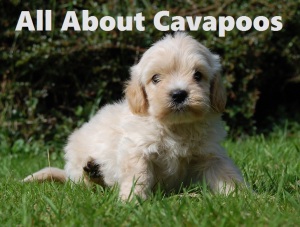

Allergies are a common concern for dog owners, and Cavapoos are no exception. If your furry friend is experiencing symptoms like itchy skin or gastrointestinal issues, they may have allergies. Understanding the causes, symptoms, and management strategies for Cavapoo allergies is crucial to improving their quality of life. In this guide, we will explore the various types of allergies that can affect Cavapoos, treatment options, and tips for managing allergies at home.
Key Takeaways:
- Cavapoos, like many other dogs, can develop allergies that cause itchy skin and digestive issues.
- Allergies can be inherited or develop later in life, and common allergens include fleas, pollens, molds, dust mites, and certain foods.
- Symptoms of Cavapoo allergies include itching, localized or generalized skin irritations, vomiting, and diarrhea.
- Cavapoos can develop flea allergies, atopic dermatitis (environmental allergies), and food allergies.
- Treatment options for Cavapoo allergies include anti-inflammatory therapy, shampoo therapy, hyposensitization, and nutritional therapy.
What are the Symptoms of Cavapoo Allergies?
Allergies in dogs, including Cavapoos, can present a range of symptoms that may impact their overall well-being and comfort. It’s important for owners to recognize and address these symptoms promptly in order to provide the necessary care and relief for their furry companions.
Common symptoms of allergies in dogs, including Cavapoos, include:
- Itchy skin: Dogs experiencing allergies may exhibit itching, licking, and scratching behaviors. This can be localized, affecting specific areas of the body, or generalized, affecting the entire body.
- Digestive issues: Allergic reactions in dogs can also manifest as gastrointestinal symptoms, such as vomiting and diarrhea. These symptoms may occur alongside or independently of skin-related symptoms.
It’s important to note that the specific symptoms can vary depending on the type of allergy and the individual dog. Allergies can be caused by various allergens, including fleas, pollens, molds, dust mites, and certain foods. Therefore, it’s necessary to monitor your Cavapoo closely for any signs of discomfort or unusual behavior.
To provide a visual representation of the symptoms of Cavapoo allergies, refer to the table below:
| Allergy Symptoms | Description |
|---|---|
| Itchy Skin | Localized or generalized itching, scratching, and licking of the skin. |
| Digestive Issues | Vomiting and diarrhea. |
It’s crucial to consult a veterinarian if you suspect that your Cavapoo is experiencing allergies. A professional diagnosis will help determine the specific allergen causing the reactions and allow for appropriate treatment and management strategies to be implemented.
Types of Allergies in Cavapoos
Cavapoos, like many other breeds, can develop various types of allergies that can cause discomfort and affect their overall well-being. Understanding these different types of allergies is essential for identifying and addressing their symptoms effectively. The most common types of allergies in Cavapoos include flea or insect bite allergies, atopic dermatitis (environmental allergies), and food allergies.
Flea or Insect Bite Allergies
Flea allergy dermatitis is a common allergic reaction that occurs when a Cavapoo is sensitive to the saliva of fleas. Even a single flea bite can trigger an intense itching sensation and result in a range of symptoms, including redness, swelling, and hair loss. It is crucial for Cavapoo owners to implement regular flea prevention measures to minimize the risk of flea infestations and the associated allergic reactions.
Atopic Dermatitis (Environmental Allergies)
Atopic dermatitis is an allergic skin condition that occurs due to environmental allergens such as pollens, mold spores, dust mites, and certain chemicals. Cavapoos with atopic dermatitis may experience persistent itching, redness, skin inflammation, and recurrent skin infections. Identifying and minimizing exposure to these allergens, along with appropriate veterinary treatment, can help alleviate the symptoms and improve the quality of life for affected Cavapoos.
Food Allergies
Food allergies in Cavapoos occur when their immune system reacts adversely to specific proteins or carbohydrates present in their diet. Common food allergens for dogs include beef, chicken, dairy products, wheat, soy, and corn. Signs of food allergies may include digestive issues like vomiting and diarrhea, as well as skin problems like itching, rashes, and ear infections. Diagnosing food allergies often involves a special elimination diet under the guidance of a veterinarian.
Identifying the specific type of allergy in a Cavapoo is crucial for implementing the appropriate allergy management strategies. Veterinary consultation and allergy testing may be necessary to pinpoint the specific allergens causing the allergic reactions in Cavapoos. By addressing these allergies promptly, Cavapoo owners can help their beloved pets lead happier, more comfortable lives.
Treatment and Management of Cavapoo Allergies
The treatment and management of Cavapoo allergies involve various approaches depending on the type and severity of the allergy. It is crucial for owners to work closely with their veterinarians to develop an allergy management plan for their Cavapoos.
Anti-inflammatory Therapy
One common approach to treating Cavapoo allergies is through anti-inflammatory therapy. This may include the use of corticosteroids or antihistamines to provide relief from allergic reactions. These medications can help reduce itching, inflammation, and other symptoms associated with allergies.
Shampoo Therapy
Another method to manage Cavapoo allergies is through shampoo therapy. Using hypoallergenic products, owners can soothe their Cavapoos’ itchy, inflamed skin and help reduce discomfort and irritation.
Hyposensitization or Desensitization Therapy
For Cavapoos with severe allergies, hyposensitization or desensitization therapy may be recommended. This involves gradually exposing the dog to small amounts of the allergen through injections. Over time, this therapy aims to reprogram the dog’s immune system and reduce the allergic response.
Nutritional Therapy
Nutritional therapy can also be beneficial in managing Cavapoo allergies. Specialized diets, formulated with limited ingredients or novel protein sources, can help alleviate allergic symptoms and support overall health. Your veterinarian can recommend an appropriate diet for your Cavapoo based on their specific allergies.
Implementing a combination of these treatment and management strategies can help improve the quality of life for Cavapoos with allergies. It is important to remember that each Cavapoo is unique, and their allergy management plan may require adjustments based on their individual needs.
Continue reading to learn valuable tips for managing Cavapoo allergies at home and understanding the hypoallergenic qualities of Cavapoos.
Tips for Managing Cavapoo Allergies at Home
Alongside veterinary treatment, there are several strategies you can implement at home to effectively manage Cavapoo allergies. By taking proactive steps to reduce allergens in your environment and practicing good hygiene, you can help alleviate your Cavapoo’s allergy symptoms and improve their overall comfort and well-being.
Designating Allergy-Free Zones
Creating specific areas in your house as allergy-free zones can provide a safe haven for your Cavapoo. These zones should be free from allergens such as dust, pollen, and mold. Consider designating a bedroom or a quiet corner where your Cavapoo can relax without being exposed to potential triggers.
Using High-Quality Air Purifiers
Investing in high-quality air purifiers with HEPA filters is an effective way to reduce airborne allergens in your home. These filters can capture allergens such as pet dander, pollen, and dust mites, helping to improve the air quality in your Cavapoo’s living space.
Regularly Cleaning the Home
Regular cleaning is essential for managing Cavapoo allergies. Vacuuming carpets, furniture, and curtains can help remove allergens that may have settled on these surfaces. Additionally, frequently dusting and mopping floors can minimize the presence of allergens in your home.
Washing Bedding and Opting for Hypoallergenic Furniture
Washing your Cavapoo’s bedding regularly is important to eliminate allergens. Use hypoallergenic laundry detergent to ensure thorough cleaning without irritating their sensitive skin. When choosing furniture, opt for hypoallergenic materials such as leather or microfiber, which are less likely to harbor allergens.
Regular Grooming
Grooming your Cavapoo on a regular basis is crucial for managing their allergies. Regular brushing can help remove loose hair and dander, reducing the likelihood of allergens being present in their environment. Additionally, bathing your Cavapoo with hypoallergenic shampoo can soothe their skin and minimize allergic reactions.
Washing Hands and Seeking Professional Advice
After interacting with your Cavapoo, make sure to wash your hands thoroughly to remove any potential allergens. If necessary, seek advice from healthcare professionals for allergy medications that can provide additional relief for your Cavapoo.
Implementing these tips alongside veterinary care can significantly contribute to the management of Cavapoo allergies and create a more comfortable environment for your furry friend.

| Allergy Management Tips | Description |
|---|---|
| Designating Allergy-Free Zones | Create specific areas in your house that are free from allergens, providing a safe space for your Cavapoo. |
| Using High-Quality Air Purifiers | Invest in air purifiers with HEPA filters to remove airborne allergens from your Cavapoo’s living space. |
| Regularly Cleaning the Home | Regular cleaning, including vacuuming, dusting, and mopping, helps eliminate allergens from your environment. |
| Washing Bedding and Opting for Hypoallergenic Furniture | Regularly wash your Cavapoo’s bedding and choose hypoallergenic furniture materials to minimize allergen exposure. |
| Regular Grooming | Brush your Cavapoo regularly to remove loose hair and dander, and use hypoallergenic shampoo during baths. |
| Washing Hands and Seeking Professional Advice | Wash your hands after interacting with your Cavapoo and consult healthcare professionals for allergy medication guidance. |
Understanding the Hypoallergenic Qualities of Cavapoos
While no dog breed can be completely hypoallergenic, Cavapoos are known for their relatively low-allergy compatibility. This is due to their special qualities that make them more suitable for individuals with allergies.
Cavapoos have a low-shedding coat, which means they produce fewer allergens. Shedding is the process of old hair falling out, and it is during this process that allergenic proteins from a dog’s skin and hair can become airborne and trigger allergic responses. With their low-shedding coat, Cavapoos might reduce the risk of triggering allergies in individuals who are sensitive to dog allergens. However, it’s important to note that allergenic proteins can still be present in a Cavapoo’s dander, saliva, urine, and feces.
By spending time with a Cavapoo and closely observing your personal response, you can assess their compatibility with your allergies. It’s recommended that individuals with allergies have direct contact with Cavapoos to gauge their sensitivity and tolerance. This will help you make an informed decision regarding Cavapoos as potential pets.
| Hypoallergenic Qualities of Cavapoos | Benefits for Individuals with Allergies |
|---|---|
| Low-shedding coat | Reduced risk of allergenic proteins becoming airborne |
| Dander | Potential presence of allergenic proteins |
| Saliva | Potential presence of allergenic proteins |
| Urine | Potential presence of allergenic proteins |
| Feces | Potential presence of allergenic proteins |
Though Cavapoos may have hypoallergenic qualities, it’s crucial to test your compatibility on an individual level. Spending time with a Cavapoo and assessing your personal response will help you determine if a Cavapoo can be a suitable addition to your family despite your allergies.
Can Cavpoos Cause Allergies?
If you’re allergic to dogs but love the idea of owning a furry friend, you may be wondering if there are any hypoallergenic breeds that won’t make your allergies flare up. Cavapoos are a popular type of designer dog that are a cross between a Cavalier King Charles Spaniel and a Poodle. While they’re not technically considered a hypoallergenic breed, they are known for being low-shedding and having less dander, which are two things that can help with allergies.
However, just because Cavapoos may be less likely to cause allergies doesn’t mean they’re completely allergy-free. Some people may still have a reaction to their fur or dander, and some may even be allergic to their saliva. If you’re considering getting a Cavapoo, it’s important to do your research and talk to your allergy doctor to see if this breed is right for you.
There are a few things you can do to help manage Cavapoo allergies if you find that you’re allergic to them. First, make sure you’re brushing and grooming your Cavapoo regularly to help reduce the amount of dander and fur in your home. You may also want to invest in an air purifier and vacuum with HEPA filters to help trap allergens. If your allergies are severe, you may need to take medication or consider finding a new home for your Cavapoo.
Allergy prevention is also important when it comes to Cavapoos. If you’re thinking about getting one of these dogs, make sure you talk to your allergy doctor first and get their approval. Once you have the green light, try to slowly introduce your Cavapoo into your home to give your body time to adjust. Start with short visits and then gradually increase the amount of time your Cavapoo spends in your home. With proper preparation and care, you can enjoy the companionship of a Cavapoo without having to worry about your allergies.
Implementing Allergy Management Strategies
When it comes to Cavapoos, managing allergies is essential for keeping them happy and healthy. There are a few different ways to manage Cavapoo allergies, and the best approach depends on the individual dog. Some common strategies include:
– Avoiding known allergens: If you know that your dog is allergic to certain substances, it’s important to try to avoid them as much as possible. This can be easier said than done, but it’s worth it to keep your dog comfortable.
– Managing skin sensitivities: Cavapoo skin sensitivities are common, and there are a few different ways to manage them. One approach is to use a hypoallergenic shampoo and avoid using any harsh chemicals on the skin. You can also try using a humidifier to keep the air moist, which can help to soothe the skin.
– Allergy prevention: In some cases, it’s possible to prevent allergies from developing in the first place. This is often done by using a hypoallergenic diet and avoiding exposure to potential allergens.
Conclusion
Cavapoos, like many other dog breeds, can develop allergies that significantly impact their overall well-being. It is crucial for owners to be vigilant in recognizing the symptoms of allergies in Cavapoos and seeking appropriate veterinary care and management strategies. While Cavapoos are not entirely hypoallergenic, their low-shedding coats may provide some relief for individuals with allergies.
Effective allergy management in Cavapoos involves a combination of veterinary treatment, dedicated home care, and lifestyle adjustments to minimize allergen exposure and enhance the quality of life for both Cavapoos and their owners. By working closely with their veterinarians, owners can develop personalized allergy management plans that address the specific symptoms and triggers affecting their Cavapoos.
Investing in regular grooming sessions, using high-quality hypoallergenic products, maintaining cleanliness in the living environment, and establishing allergy-free zones can significantly reduce allergens. Additionally, practicing good hygiene, such as washing hands after interacting with the dog, and consulting healthcare professionals for allergy medications, can greatly contribute to effective allergy management in Cavapoos.
Overall, by being proactive in monitoring Cavapoos for allergy symptoms and implementing appropriate management strategies, owners can help their beloved pets lead happier, healthier lives, while minimizing the impact of allergies on their own well-being.
FAQ
What are the symptoms of Cavapoo allergies?
Common symptoms of allergies in Cavapoos include itchy skin and digestive issues like vomiting and diarrhea.
What are the types of allergies in Cavapoos?
Cavapoos can develop flea or insect bite allergies, environmental allergies (atopic dermatitis), and food allergies.
How can Cavapoo allergies be treated and managed?
Treatment options include anti-inflammatory therapy, shampoo therapy, hyposensitization, and nutritional therapy. Managing allergies may also involve lifestyle adjustments.
How can I manage Cavapoo allergies at home?
Strategies include creating allergy-free zones, using air purifiers, regular cleaning, grooming, washing hands, and seeking advice from healthcare professionals for allergy medications.
Are Cavapoos hypoallergenic?
While no dog breed can be completely hypoallergenic, Cavapoos have a low-shedding coat, which may reduce the risk of triggering allergies. However, allergenic proteins can still be present in their dander, saliva, urine, and feces.
Can Rottweilers cause allergies?
Rottweilers are not hypoallergenic dogs. Their short double coat sheds moderately, releasing dander, hair, and allergenic proteins into the environment. Individuals with allergies are generally not recommended to have Rottweilers as pets.
How can I overcome Cavapoo allergies?
By recognizing the symptoms, seeking appropriate veterinary care, implementing management strategies, and making lifestyle adjustments, it is possible to improve the quality of life for Cavapoos and their owners.
Source Links