
General Information:
Average Height: 20 – 23½ in
Average Weight: 35 – 60 lbs
Average Life Span: 10 – 14 yrs
Coloring: All are permissible; most common coats include white body with black, grey, or red markings
Area of Origin: Siberia
Similar Breeds: Alaskan Malamute, Samoyed, Akita Inu, American Eskimo Dog, Alaskan Husky
History and Origin:
Along with the Samoyed and the Alaskan Malamute, the Siberian Husky is a direct descendent of an ancient Spitz-type wild dog, making it one of the oldest breeds in the world. Its original use was as a herding, sledding, and guarding dog by the nomadic Chukchi people of Siberia. The Chukchi kept the bloodlines of the Husky pure for centuries until the breed was discovered by Americans, who desired the hardiness, agility, and stamina of the Husky for sled racing in Alaska. The Siberian Husky became known for its great feats of physical endurance; not only was the breed used to transport supplies to remote towns and outposts across the North, but many Huskies were also used as sled dogs on expeditions to the Arctic and Antarctic Circles. The Husky’s durability has lent itself well to developing the ultimate speed sled-racing dog, the Alaskan Husky. Not a true breed, the Alaskan Husky is any Siberian Husky mix bred for speed, typically using Pointer or Hound blood produce a slimmer, quicker racing dog.
Personality and Temperament:
Active, loving, and loyal, the Siberian Husky is an ideal companion for a family that loves outdoor activities. It is an extremely social breed, friendly with strangers and extremely dedicated to its family. While full of physical strength, the Husky is generally not a good watchdog as it is incredibly friendly with strangers. An fairly intelligent breed, it is prone to boredom, and thrives in an active household. It is good with children but may be wary or aggressive toward cats and other small animals. A crafty escape artist, the Husky has been known to jump fences up to six feet, or dig multiple feet under a fence to escape. Due to its history as a sled dog, the Siberian Husky needs to have companionship from its human and canine friends; the breed is known to become quite destructive if left alone for long periods of time. Due to its strong sled-dog instincts, the Siberian Husky needs a knowledgeable owner to ensure it is well-socialized, and as such, this breed is not ideal for a nervous or first-time dog owner.
Exercise & Training:
The Siberian Husky was bred to run and pull heavy loads over long distances; it needs extensive exercise (both mentally and physically) in order to keep it happy and healthy. Brisk walks or jogs daily in combination with agility, flyball, disc dog competitions, or sled-racing are ideal activities that will satisfy the Husky’s work dog urges, and help bond with its owner. It is vitally important to have a strong, durable harness with a Husky, as the strength of a wayward Husky can overpower even the strongest of owners. The Husky is not ideal for apartment living as it tends to be very energetic and vocal indoors. While it is a trainable breed, the Husky needs strong leadership from an owner with knowledge of canine behavior. Consistent training is needed to ensure the Husky continues to view its owner as the leader, and positive reinforcement has proven to be most effective in raising a well-adjusted dog.
Grooming:
With a thick double coat, the Siberian Husky needs regular brushing to remove dead hair and maintain healthy skin. It sheds the undercoat out during spring and fall, and extra brushing should be given at these times. Bathe sparingly if at all; the oils in the Husky’s coat allow it to stay clean, dry, and warm in harsh winter weather.
Nutrition:
Feeding your Husky can be a difficult process to do perfectly. Your Huskies diet will depend a lot on how active they are and how many calories they are burning throughout the day. If your Husky is spending a lot of time outside in the cold weather they will need to eat much more than if they are spending the days inside and sedentary. When working, Huskies need a diet high in fats and animal proteins. Most regular commercial dog foods aren’t ideal for the husky, so check out this article on the best dog foods for Huskies to get some great recommendations on which dog foods to choose.
Huskies also need a good balance of Zinc in their diet. Too much or to little can adversely impact their health and cause a skin condition called zinc responsive dermatosis. Be sure to monitor your Huskies Zinc intake when feeding them.
Similar Breeds:
Closely related to the Alaskan Malamute and the Samoyed, the Husky shares strong pulling instincts and a remarkable resistance to cold weather with the other two breeds. It is also the base breed for the Alaskan Husky, which can include Pointer or Hound blood for speed sled-racing. As a northern Spitz descendent, the Siberian Husky also shares characteristics with breeds such as the American Eskimo Dog and the Akita Inu.
Interesting Facts about the Siberian Husky:
1. The Siberian Husky is sometimes bred with the grey wolf by fanciers to produce an “exotic” looking hybrid; some argue it also maintains the Husky’s purity.
2. Siberian Huskies accompanied American explorer, Robert Edwin Peary, on his expedition to find the geographic North Pole in 1909.
3. Two Siberian Huskies, Balto and Togo, were the two most famous lead dogs that made the 1925 “Nome Serum Run”, a journey to Nome, Alaska, bringing medicine after a deadly diphtheria outbreak. Balto is famous for making the last 53 mile stretch to Nome, however Togo’s sled traveled nearly twice that far, navigating 91 miles in -30°F weather with wind gusts of -85°F.
4. A bronze statue of Balto has been erected in Central Park in New York City in homage to all of the sled dogs that participated in the Serum Run.
Organizations dedicated to the Siberian Husky:
International Siberian Husky Club, Inc.
Siberian Husky Club of America
Siberian Husky Rescue Site
Everything Husky – Husky Rescue Organizations
Breeds Similar to Siberian Husky Dogs:
-
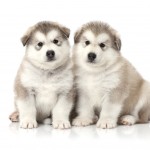
- Alaskan Malamute
-
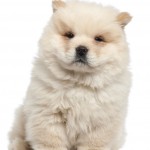
- Chow Chow
-
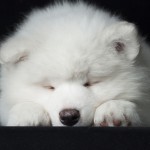
- Samoyed