

Your German Shepherd is an intelligent, active, and loyal pet who deserves the best possible care. At the heart of keeping your GSD healthy and happy is understanding their unique health needs and taking proactive steps to support their wellbeing.
In this section, we’ll explore why German Shepherd health is so important and how providing proactive healthcare can make a significant difference in your furry friend’s life. From common health problems to preventative measures and tips for maintaining a healthy weight and promoting mental wellbeing, we’ve got you covered.
By the end, you’ll be equipped with the knowledge and tools you need to take proactive steps to support your GSD’s health and happiness at every stage of their life.
Key Takeaways
- Understanding your German Shepherd’s unique health needs is essential to providing proactive healthcare.
- Common health problems in GSDs include hip dysplasia, degenerative myelopathy, and allergies.
- Proper nutrition, exercise, regular vet check-ups, and preventive measures such as flea and tick control are essential for maintaining good health.
- Weight management, promoting healthy joints, and mental and emotional wellbeing are also crucial parts of proactive healthcare for GSDs.
- As your GSD ages, their health needs change, and adjustments to their care may be required.
Common German Shepherd Health Problems to Watch Out For
If you’re a German Shepherd owner, it’s important to be aware of some of the common health problems that can affect your furry friend. By understanding the symptoms, causes, and potential treatment options for these conditions, you can be proactive in promoting your German Shepherd’s overall health and wellbeing.
Hip Dysplasia
One of the most well-known health problems in German Shepherds is hip dysplasia. This condition occurs when the thighbone doesn’t fit properly into the hip joint, causing malformation and eventual arthritis. Symptoms of hip dysplasia include lameness, stiffness, and decreased activity. While hip dysplasia is largely genetic, keeping your German Shepherd at a healthy weight and providing plenty of exercise can help prevent the onset of symptoms.
| Symptoms | Causes | Treatment Options |
|---|---|---|
| Lameness and stiffness in hind legs | Genetic | Pain medication, weight management, physical therapy, surgery |
Degenerative Myelopathy
Another health concern for German Shepherds is degenerative myelopathy, a progressive disease that affects the spinal cord. Symptoms of degenerative myelopathy include hind-end weakness, difficulty rising, and loss of coordination. Unfortunately, there is no cure for degenerative myelopathy, but physical therapy and mobility aids can help support your German Shepherd’s quality of life.
| Symptoms | Causes | Treatment Options |
|---|---|---|
| Hind-end weakness, difficulty rising, and loss of coordination | Genetic | Physical therapy, mobility aids |
Allergies
German Shepherds are also prone to allergies, which can manifest in a variety of ways including itching, rashes, and ear infections. Allergies can be caused by food, environment, or other factors and may require testing to determine the underlying cause. Treatment options for allergies can include medication, dietary changes, and environmental modifications.
| Symptoms | Causes | Treatment Options |
|---|---|---|
| Itching, rashes, and ear infections | Food, environment, or other factors | Medication, dietary changes, environmental modifications |
By being aware of these common health problems and taking steps to prevent and treat them, you can help ensure that your German Shepherd stays healthy and happy for years to come.
Proactive Health Care for Your German Shepherd
As a responsible owner, keeping your German Shepherd healthy and happy should be a top priority. By following some simple guidelines, you can help your furry friend enjoy a long and fulfilling life. Take a look at these best practices of proactive health care for German Shepherds:
Proper Nutrition
Feeding your German Shepherd a well-balanced diet is critical for their overall health. Choose high-quality food that meets their nutritional needs, and avoid table scraps and human food that can cause digestive upsets or lead to obesity. Your vet can recommend the right diet for your GSD, based on their age, weight, and activity level. Don’t forget to provide your dog with plenty of fresh water to keep them hydrated.
Exercise Requirements
German Shepherds are active and energetic dogs that need plenty of exercise to stay healthy and happy. Regular exercise not only helps your dog maintain a healthy weight but also strengthens their muscles, improves joint health, and promotes good mental health. Take your GSD for daily walks or runs, engage them in playtime, and provide them with mentally stimulating activities to keep their minds sharp.
Regular Vet Check-ups and Vaccinations
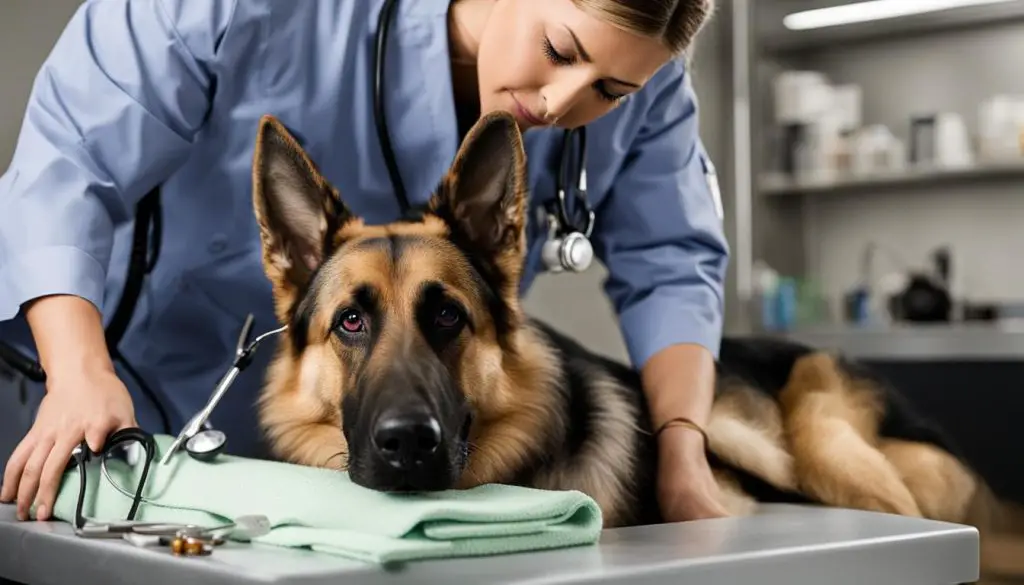
Regular vet check-ups are essential for detecting any health problems early and keeping your German Shepherd up-to-date on their vaccinations. Your vet can provide preventative treatments for issues such as heartworm, fleas, and ticks. They can also recommend necessary vaccines and perform a regular health assessment.
Preventive Measures such as Flea and Tick Control
Parasites such as fleas and ticks can cause significant health problems for your German Shepherd. Preventive measures such as flea and tick control are important to include in your dog’s health care routine. Your vet can advise you on the best products to use to keep your GSD free from parasites and other pests.
Grooming and Dental Care
Keeping your GSD well-groomed and practicing regular dental care is critical to their overall health and well-being. Brush your dog’s teeth regularly, and ensure they have dental chew toys to promote good oral health. Regular grooming also helps keep their coat shiny and healthy, removing any mats or tangles that could cause discomfort.
By implementing these proactive health care practices, you can keep your German Shepherd healthy, happy, and well-cared for.
Promoting Mental and Emotional Well-being in Your German Shepherd
A happy and healthy German Shepherd is not just about their physical health. It’s important to care for their mental and emotional well-being too. Here are some tips for promoting your GSD’s overall well-being:
- Provide mental stimulation: German Shepherds are intelligent and need mental stimulation to stay sharp. Engage your dog in activities that challenge their mind, such as puzzle toys, training exercises, and interactive games.
- Socialization: In addition to training exercises, it’s essential to socialize your German Shepherd. Exposure to different environments, people, and other dogs can help them develop good behaviors and reduce anxiety and aggression in social situations.
- Exercise: Physical exercise is important for mental health too. Regular exercise can reduce stress and anxiety, boost their mood, and help them sleep better. Take your German Shepherd for daily walks, runs, or hikes, depending on their fitness level.
- Time outdoors: Time in nature can also promote mental health for your German Shepherd. Time outdoors can provide fresh air, opportunities for exploration, and a change of scenery.
- Positive reinforcement: Use positive reinforcement to reward good behavior. This approach can help strengthen your bond with your German Shepherd, increase their confidence, and improve their mental well-being.
By focusing on your German Shepherd’s mental and emotional health, you can improve their overall well-being, leading to a happier and healthier life for your furry friend.
Maintaining a Healthy German Shepherd Weight
Keeping your German Shepherd at a healthy weight is key to ensuring their overall well-being. According to the American Kennel Club, the ideal weight range for an adult male GSD is between 65-90 pounds, and for adult females, it’s between 50-70 pounds. Obesity can have serious consequences on your GSD’s health, leading to joint problems, diabetes, and heart disease.
Portion control is crucial in maintaining your GSD’s weight. Overfeeding is a common problem and can lead to weight gain and other health issues. A feeding schedule that includes two to three small meals per day, rather than one large meal, can help regulate your GSD’s food intake. Consider using a measuring cup to ensure proper portion sizes.

Exercise is also essential in maintaining your GSD’s weight. Daily exercise not only helps burn calories but also promotes joint health and cardiovascular fitness. A brisk walk or run, playtime in the yard, or a game of fetch can help keep your GSD active and healthy. Discuss an exercise routine with your vet to ensure it meets your dog’s individual needs.
| Treats | Calories |
|---|---|
| Baby Carrots | 4 calories per carrot |
| Peanut Butter (1 tablespoon) | 94 calories per tablespoon |
| Green Beans (1/2 cup) | 20 calories per 1/2 cup |
| Apple Slices (1/4 cup) | 15 calories per 1/4 cup |
Healthy treats can be a great way to reward your GSD while keeping them at a healthy weight. Low-calorie options such as baby carrots, green beans, and apple slices are great choices. However, it’s important not to overdo it with treats, as they still contain calories that can contribute to weight gain. Aim to keep treats to no more than 10% of your GSD’s total daily caloric intake.
Strategies for Preventing Joint and Mobility Issues
German Shepherds are energetic and active dogs that need plenty of exercise to keep them healthy and happy. However, their active lifestyle can put a strain on their joints and mobility, which can lead to problems such as hip dysplasia and arthritis. Fortunately, there are preventive measures you can take to promote healthy joints and reduce the risk of these issues.
Proper Exercise
To keep your German Shepherd’s joints healthy, it’s important to provide regular exercise that is appropriate for their age, breed, and overall fitness level. Avoid activities that put excessive strain on their joints such as jumping, repetitive running, and rough play. Instead, opt for low-impact exercises such as swimming, walking, and gentle play that allow your GSD to move without putting stress on their joints.
Joint Supplements
Another strategy for maintaining healthy joints in your German Shepherd is the use of joint supplements. These supplements contain natural ingredients such as glucosamine and chondroitin that help to protect and lubricate your dog’s joints, reducing inflammation and pain associated with joint diseases. Consult your veterinarian to find out which supplement is best for your dog’s age, lifestyle, and specific needs.
Environmental Modifications
Simple environmental modifications in your home or yard can dramatically reduce the strain on your German Shepherd’s joints. Provide comfortable places for your GSD to rest, such as a soft bed, and avoid stairs or slippery floors that can be difficult for them to navigate. If you have hardwood floors, place rugs or carpet runners to provide traction and prevent slipping. These small changes can make a big difference in the long-term health of your GSD.
Longevity and Aging Gracefully with Your German Shepherd
As your German Shepherd ages, their health needs change, and it becomes even more important to practice proactive healthcare. Keeping your senior GSD healthy and happy requires a combination of proper nutrition, exercise modifications, regular vet check-ups, and other strategies to help them age gracefully and enjoy a longer, healthier life.
One of the most critical aspects of promoting your senior German Shepherd’s health is ensuring they maintain a healthy weight. Obesity can lead to a host of health problems, including joint pain, heart disease, and diabetes. Speak with your vet to determine the ideal weight range for your GSD and make necessary adjustments to their diet and exercise routine.
Another essential element of proactive healthcare for your senior German Shepherd is regular vet check-ups. As your dog ages, they become more susceptible to health problems such as arthritis, dental disease, and cancer. Regular check-ups will help you catch any problems early and allow for early intervention to keep your GSD healthy and comfortable.
As your GSD ages, you may need to modify their exercise routines to accommodate joint issues or other health concerns. Lower impact exercises such as swimming or walking can help keep your senior German Shepherd active and healthy without putting excessive strain on their joints.
Lastly, it’s crucial to pay attention to your senior GSD’s mental and emotional well-being. Older dogs can become anxious or depressed if they’re not given appropriate mental stimulation and socialization opportunities. Engage in activities that challenge your dog’s mind, such as puzzle toys or obedience training. And don’t forget to provide plenty of opportunities for socialization, whether it’s with other dogs or family members.
By practicing proactive healthcare and paying attention to your senior German Shepherd’s health needs, you can help them age gracefully and enjoy a long and healthy life. Remember to consult with your vet and make necessary modifications to your dog’s diet, exercise routine, and overall care to ensure they remain happy and healthy.
Stay tuned for more expert guidance on German Shepherd health and proactive healthcare.
FAQ
What are the most common health problems that German Shepherds face?
German Shepherds are prone to several health problems, including hip dysplasia, degenerative myelopathy, allergies, and digestive issues.
How can I prevent and care for hip dysplasia in my German Shepherd?
To prevent hip dysplasia, it’s essential to choose a reputable breeder who performs hip screenings on their breeding dogs. Regular exercise, maintaining a healthy weight, and providing joint supplements can help manage hip dysplasia in affected dogs.
What should I do if my German Shepherd has allergies?
If your German Shepherd shows signs of allergies, such as itching, redness, or recurrent ear infections, consult your vet for proper diagnosis. Treatment options may include allergen avoidance, specialized diets, medications, or immunotherapy.
How often should I take my German Shepherd to the vet for check-ups?
Regular vet check-ups are crucial for your German Shepherd’s health. Most vets recommend annual wellness exams, which allow for early detection of potential health issues and ensure your GSD’s vaccinations are up to date.
What should I feed my German Shepherd for optimal nutrition?
It’s important to provide your German Shepherd with a balanced diet that includes high-quality protein, healthy fats, and appropriate carbohydrates. Consult your vet for specific dietary recommendations based on your dog’s age, activity level, and overall health.
How can I promote mental and emotional well-being in my German Shepherd?
To promote mental and emotional well-being, provide your German Shepherd with plenty of physical exercise, mental stimulation, and socialization opportunities. Engaging in activities like obedience training, puzzle toys, and interactive play can contribute to their overall well-being.
How can I help my German Shepherd maintain a healthy weight?
Maintaining a healthy weight is vital for your German Shepherd’s overall health. Measure their food portions, provide regular exercise, and limit high-calorie treats. Consult your vet for guidance on proper weight management and the ideal weight range for your GSD.
What can I do to prevent joint and mobility issues in my German Shepherd?
To prevent joint and mobility issues, ensure your German Shepherd gets regular exercise that is appropriate for their age and breed. Consider incorporating joint supplements into their diet and creating a safe environment that minimizes jumping or excessive strain on their joints.
How can I best support the health of my aging German Shepherd?
As your German Shepherd ages, provide them with a senior-specific diet that supports their changing nutritional needs. Modify their exercise routines to be low-impact, and schedule regular vet check-ups to monitor their health. Additionally, make adjustments to their home environment to accommodate any mobility issues they may develop.