

General Information:
Height: 1.5 to 1.8 ft.
Weight: 49-84 lbs
Life Span: 10 years
Coloring: White, white with brown or black
Area of Origin: England
Similar Breeds: Miniature Bull Terrier, Staffordshire Bull Terrier, English White Terriers, Mastiff
History and Origin:
The terrier canine family has produced a wide variety of dogs – large and small and everything in between. Most of the standard terriers also have a miniature version and this is true of the Bull Terrier. The Bull Terrier is a specific breed that is often confused with other terriers in the “bull” line.
However the true Bull Terrier is a very distinctive looking dog with a head that is shaped somewhat like an egg and with a flat skull top. When seen from profile the Bull Terrier’s head slopes down from the skull top down to the tip of the nose. Their jaws, especially the bottom jaw, are strong and deep and they have triangle shaped, deep set, dark, small eyes. They are round in the body with muscular and strong shoulders.
The Bull Terrier is usually all white or white with a small amount of brown or beige around the eyes or eye. They walk with a jaunt and are famous for their bull fighting history. Considered the “Gladiator of Canines”, they absolutely look the part. They have a very intimidating stance because of the strength of their jaws and their muscular stance.
The Bull Terrier looks like no other dog, so why was it developed this way? There were two distinct breeds in the early to mid- 19th century in Europe charged with controlling vermin and sporting matches. These were the Terriers and the Bulls Both breeds had their ancestry in the now extinct English Bulldog and either the Manchester Terrier or the Black and Tan Old English Terrier.
The combination of these breeds produced a dog that had great speed, agility and dexterity. They have the tenacity and intensity of the Bulldog but were not good fighters in matches with other dogs. In order to enhance the breeds fighting ability they were crossed with terriers. Since these breeders were breeding for performance there were no set standards for the breed. This breed was simply named the “Bull and Terrier” dog. From these dogs came the two different breeds of the Bull Terrier and the Staffordshire Bull Terriers. Both of these breeds were smaller than the “Bull and Terrier” and they were much more docile in terms of human handling. The Bull Terrier today has grown to be an affectionate canine clown.
Of course the original Bull and Terrier dogs were bred for function not form so they were a wide variety of colors. In the mid 1860’s the Englishman, James Hinks, selectively bred his Bull and Terriers for color crossing them with the English White Terrier that is currently extinct. In so doing he created the all-white version which soon became a breed of its own – the Bull Terrier. These dogs were sometimes also called the White Cavaliers. From these dogs came a back cross with Staffordshires to create the Staffordshire Bull Terrier with a color coat.
This unique white bulldog and terrier mix was popular right away and other breeders join the fray to refine the breed. They were crossed with Greyhounds, Dalmatians, Foxhounds, Spanish Pointers and Whippets. In this way the breed was improved in the areas of agility and looks, while the Collie and the Borzoi brought other physical qualities such as sturdiness. The first officially recognized Bull Terrier was from England and his name was Lord Gladiator.
As most breeders know there are specific and serious medical issues that occur in all white animals. This is why so many breeders turned to the Staffordshire Bull Terriers with brindle and other colored coats. They cross breeding continued with temperament and traits being bred for. The White Cavalier of the times was never meant to be a pit fighter and he would never start a fight. Yet he was bred to be able to not only survive a fight but to win more than he lost. This White Cavalier became the pet of choice for the nobility.
In addition the both the Bull Terrier and the Staffordshire Bull Terrier worked as herding dogs, ratters, watchdogs and guard dogs. The Miniature Bull Terrier was then developed to look just like the Standard Bull Terrier – white but smaller. The AKC recognized the breed in 1885 and then recognized the Miniature Bull Terrier in 1991. They are considered to be two separate breeds even though the only difference in standard is the size.
Throughout most of the rest of the world the Standard Bull Terrier and the Miniature Bull Terrier are considered the same breed in different varieties. The United Kennel Club does not distinguish in size but proportion. In this way they recognized both dogs as the same breed. The Federation Cynologique International recognized the Standard and the Miniature as Bull Terriers of different varieties.
Personality and Temperament:
The Standard Bull Terrier is another breed that is not for the first time dog owner. This is not because they are dangerous or aggressive as is generally thought, but rather because they are so stubborn and independent in nature. They will protect their family or pack but care has to be taken to make sure they do not become neurotic and overprotective. This requires extensive socialization when the dog is just a puppy.
It is imperative that this socializations and some obedience training take place very early in the life of a Bull Terrier. Their prey instinct is very strong and if they are not socialized and then they challenged, they are more than capable of killing small animals, cats, other dogs and even human children. Remember how strong their jaws are and the muscular upper body strength they have.
If you socialize them early they will be fine with children and other pets. In reality if they are socialized properly, they make great family dogs. This is the dog to have around if you need a laugh as they are born clowns and extremely playful. Once they were considered warriors and gladiators but today they are gentle and sweet.
The looks of the Bull Terrier with its muscularity and stance make it appear to be an unapproachable and aggressive dog. Nothing could be further from the truth as today’s Bull Terrier has been bred to be gentle and friendly. He excels at agility, obedience and confirmation. It is no longer bred to be a guard dog.
Traits of this breed include fun loving, physically very active, courageous, fearless, and clownish. They are polite, loyal and obedient. They are also very attached to their owners. Not quite a one person dog, they do prefer to be with their owner. They need an owner who is strong willed, and offers them consistent and firm leadership. This is all they need to be happy besides exercise.
The Bull Terrier makes a great pet for an active family but he is not a couch potato. He needs supervision and companionship. If they would be alone all day, they won’t do well. If there are children in the family, teach the children to be firm, strong leaders with him without harassing him. Don’t be surprised if the kids are arguing or wrestling when the Bull Terrier wants to join in.
Exercise & Training:
As friendly and fun loving as the current day Bull Terrier is, he is also a killer when it comes to small prey animals and he particularly goes for cats. This is why socialization is so important for the puppy. In addition the Bull Terrier needs structure or they can become neurotic and destructive in respect to your property and furniture. They are capable of being very aggressive with other dogs if you have not socialized them, trained them and maintained your role as a firm pack leader for them.
If they don’t get enough exercise, the Bull Terrier will be too energetic to be trusted with children and they may act out. They need to be stimulated both mentally and physically. They need structure and lots of exercise. Unless breeding do not leave a male unaltered as this will add to their aggressiveness.
However if you give the Bull Terrier the structure and discipline from a firm and confident leader, you will have a safe, well-adjusted dog that will keep you laughing every day. If you socialize and spend quality time with your canine clown, you will have the best canine companion you have ever had.
Grooming:
The Bull Terrier is not at all difficult to maintain in respect to grooming. Combing or brushing them at least once a week will be enough to keep their very fine coat in good shape. You can also just wipe them down with a damp cloth to keep the “doggie smell” under control.
They do shed heavily twice a year and at that time you will need to brush them to get rid of the dead hair and keep them comfortable. They can be bathed but not more than once or twice a year.
Health and Wellness:
Being an all-white albino type breed the Bull Terrier runs the risk of deafness. All puppies should be tested as there is a 20% occurrence of deafness in such breeds. It is hard to tell in newborn and very young puppies if they are deaf.
They also have a strong propensity to skin allergies and they can react strongly to bites or stings from mites, fleas and mosquitoes. These reactions can include rashes, hot spots, and hives. If you live in a climate where regular exposure to the possibility of stings see your vet about ways to keep these insects off your Bull Terrier and keep him safe.
Some Bull Terriers are also prone to heart defects and kidney failure, but this is not the norm by far. There is no wide-spread life threatening genetic issues with the Bull Terrier as there are with so many other breeds. At the same time it is important not to overfeed a Bull Terrier as they gain weight very easily. Other than this the Bull Terrier can live a long and healthy life on average of 10 to 15 years.
Due to the issue of deafness, early breeders looked for ways to give color to the white Bull Terrier. In this endeavor a breeder named Ted Lyon produced the Staffordshire Bull Terrier.
Interesting Facts About the Bull Terrier
- The popular name for these dogs in the early years of their breeding was White Cavaliers. The AKC established the Bull Terrier in the United States as a separate breed from the Staffordshire and other bulldog – terrier combinations.
- The white Bull Terrier will often have a colored area on its head or around the eye.
- Bull Terriers are commonly known as “a kid in a dog suit” because they are so playful and mischievous.
- The Mascot for Budweiser at one point was a Bull Terrier and the logo for Target Department Stores is currently a Bull Terrier.
- These canine clowns love to play. They love balls and all kinds of toys. He loves to play outside but they are not loud dogs. They only bark if they think there is something out of place. Don’t ignore a barking Bull Terrier. They have something to tell you.
Organizations Dedicated to the Bull Terrier
Conclusion
The Bull Terrier from the Budweiser commercials in the 1980’s was named Spuds Mackenzie. The unique look of the Bull Terrier with the egg shaped head, the grinning face, their muscular build and their love of fun. The popularity of the breed took off. Current breeders hope that this popularity does not hurt the breed.
Breeds Similar to Bull Terrier Dogs:
-
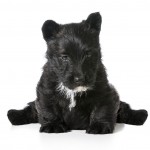
- Scottish Terrier
-

- Jack Russell Terrier
-
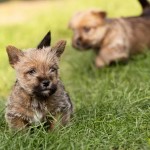
- Cairn Terrier